When Arshiya Verma pitched Tencent Holdings to her fellow student fund managers last year, she faced pushback about geopolitical concerns. The Chinese tech company looked solid on paper, but the voting members had questions. It was a real investment decision about real money — roughly $400,000 of the international equity portfolio she now manages as chief investment officer — and the debate was serious.
“Even with a long-term horizon, every week you’re assessing the implications of current events on your stock holdings,” said Verma, a graduate student in financial economics at Kent State University. Now, as trade tensions with China continue, that concern looks prescient. “I still believe in the company. Short-term moves don’t change our long-term thesis,” she said.
This is what sets the Golden Flash Asset Management (GFAM) Group apart. Founded in 2017, GFAM now manages more than $1.8 million in Kent State University assets. Initially, the Kent State University Foundation invested $500,000 and the university invested the other $500,000. GFAM gives periodic updates to the Foundation on its investment which has grown under the group’s watch to the $1.8 million. But the program isn’t just about the dollar amount. It’s about what happens when students sit across from each other twice a week, armed with financial models and Bloomberg terminal data, and make investment calls that will show up in actual portfolio performance.
“I want to emphasize that again, because a lot of people when I talk about it, assume that it’s not real money, but it is real money,” said Ketan Choudhary, a senior finance major from Stow, Ohio, who serves as chief investment officer of GFAM’s equity portfolio.
Verma puts it even more bluntly: “It’s real money. It’s not a simulation.”
Making Decisions Without Answers
William Billik, associate professor of finance and GFAM faculty advisor, explains the fundamental difference between this experience and traditional coursework. “When your supervisor gives you an assignment, it’s not because they’re waiting to see if you have the right answer or not, it’s because nobody has an answer,” he said.
“GFAM gives the students the opportunity to experience that tension,” Billik continued. “I’ve got to make a decision. Nobody knows if it’s right or wrong.”
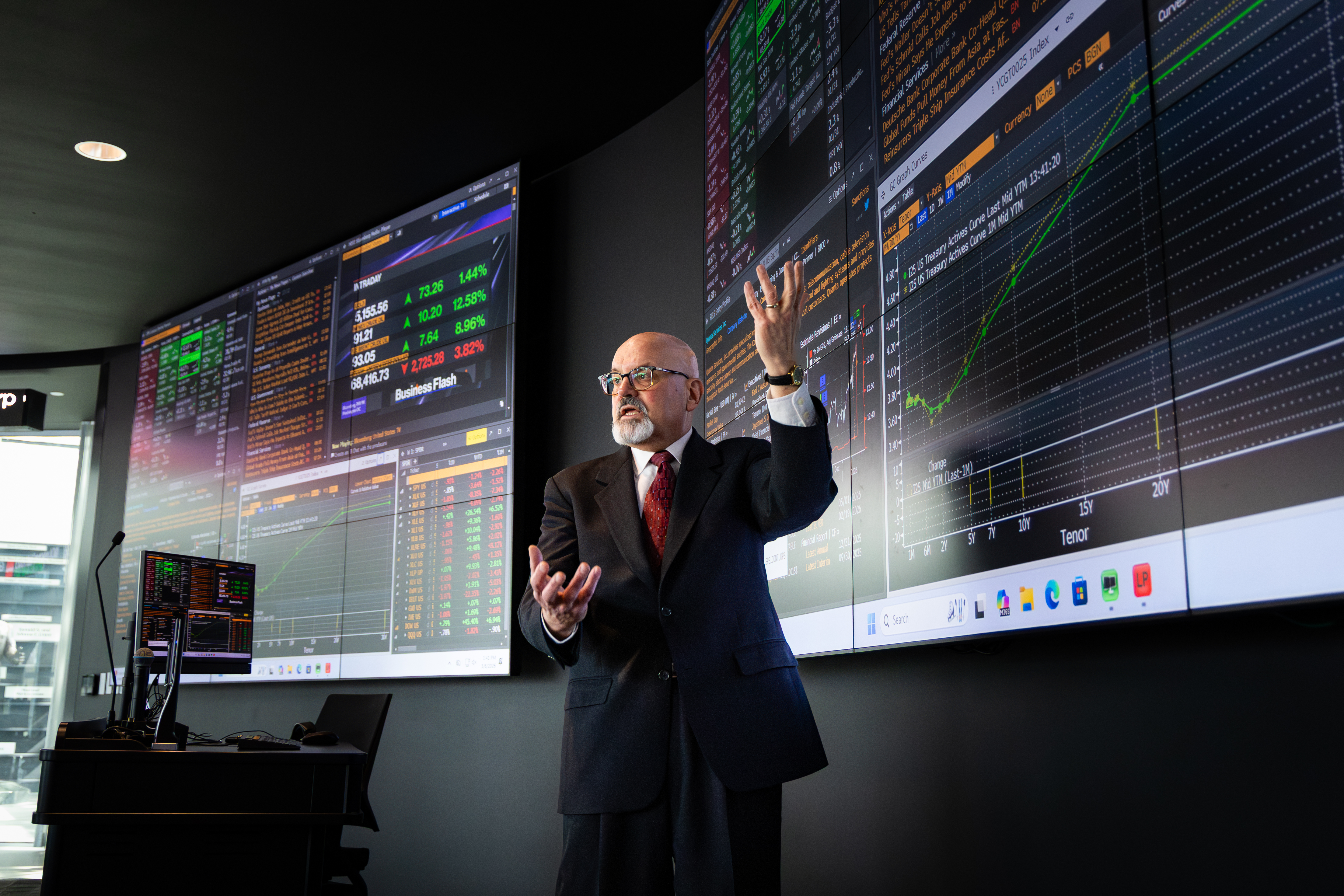
The fund operates like a professional asset management firm. “It’s structured and managed like a professional fund, within an academic setting,” Verma said. Students use a top-down approach, starting with macroeconomic analysis — GDP growth, inflation trends, Federal Reserve policy — then narrowing to specific sectors and individual companies. Each week, a chief economist presents market conditions. Sector leads pitch stocks to the group. Portfolio managers weigh the recommendations.
For a stock to be added to the portfolio, 80% of voting members must approve it. Choudhary describes the fund’s investment philosophy: “We like to invest in value in strong companies that have been established and continue to have a lot of cash flow. We want to have the best-in-breed of the companies we own within their individual industries.”
Even with careful analysis, outcomes remain uncertain. A chief risk officer enforces bylaws on concentration limits and portfolio balance, but the goal isn’t perfection. “Our objective is to track our benchmarks,” Billik explained. GFAM operates four separate funds, each with different strategies and benchmarks.
From Overwhelmed to Expert
David Pelleg, associate lecturer and GFAM coach, has watched the transformation happen many times. “Every student in their first meeting hears detailed investment discussions for the first time and they have no idea what they're talking about,” he said. The ones who succeed are those who think: ‘Oh, I really wish I knew what that meant.’”
Within months, students are reading the Wall Street Journal daily, analyzing Bloomberg data, speaking the language. By senior year, Pelleg said, “They really know what’s going on.”
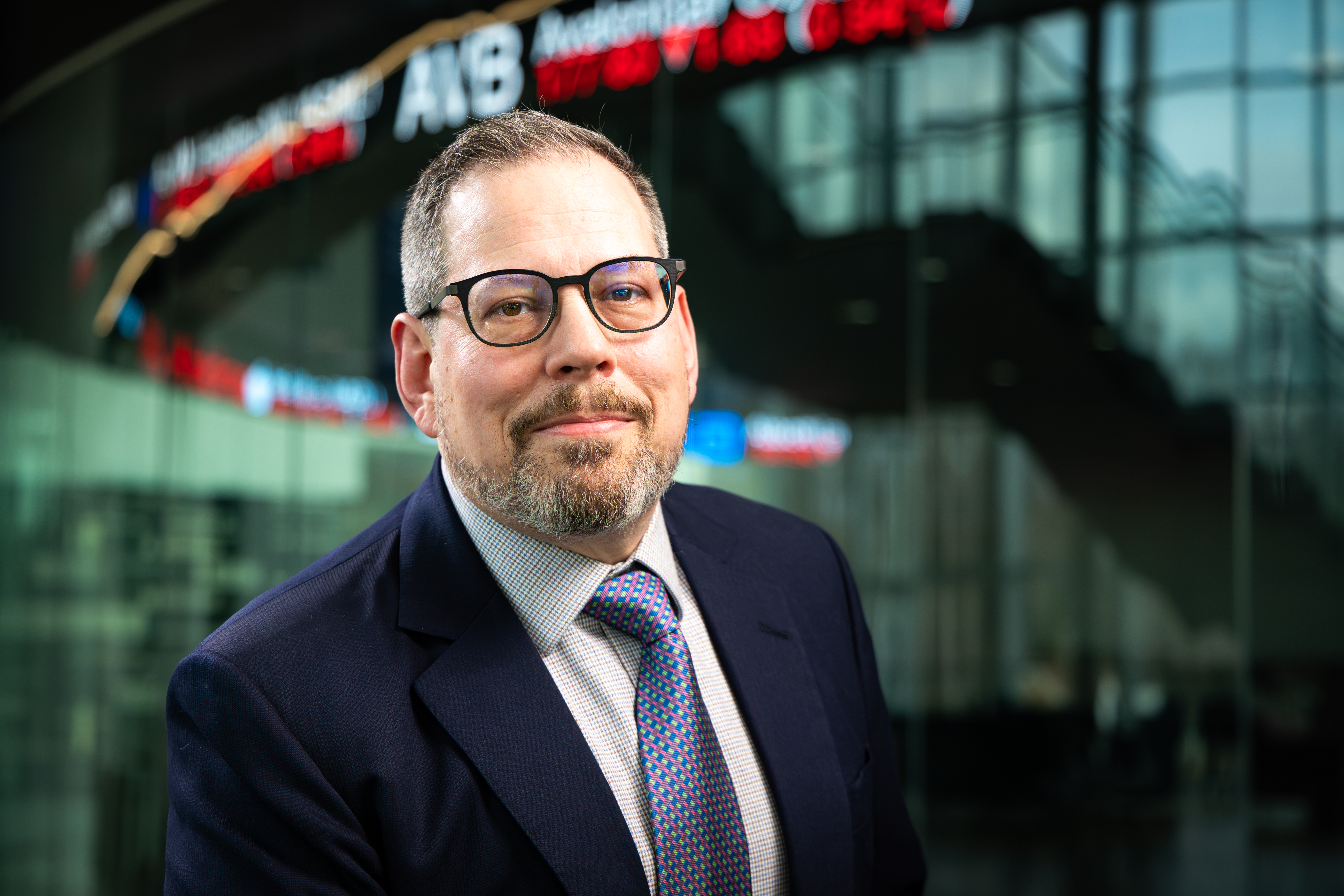
Verma, who worked five years in audit before returning to school, has advice for prospective members: “The numbers and terminology can look complex, but they become intuitive with time.” Her key insight: “If you really know your material, you should be able to explain it to anyone and everyone. You don’t have to learn everything on day one. You just start somewhere.”
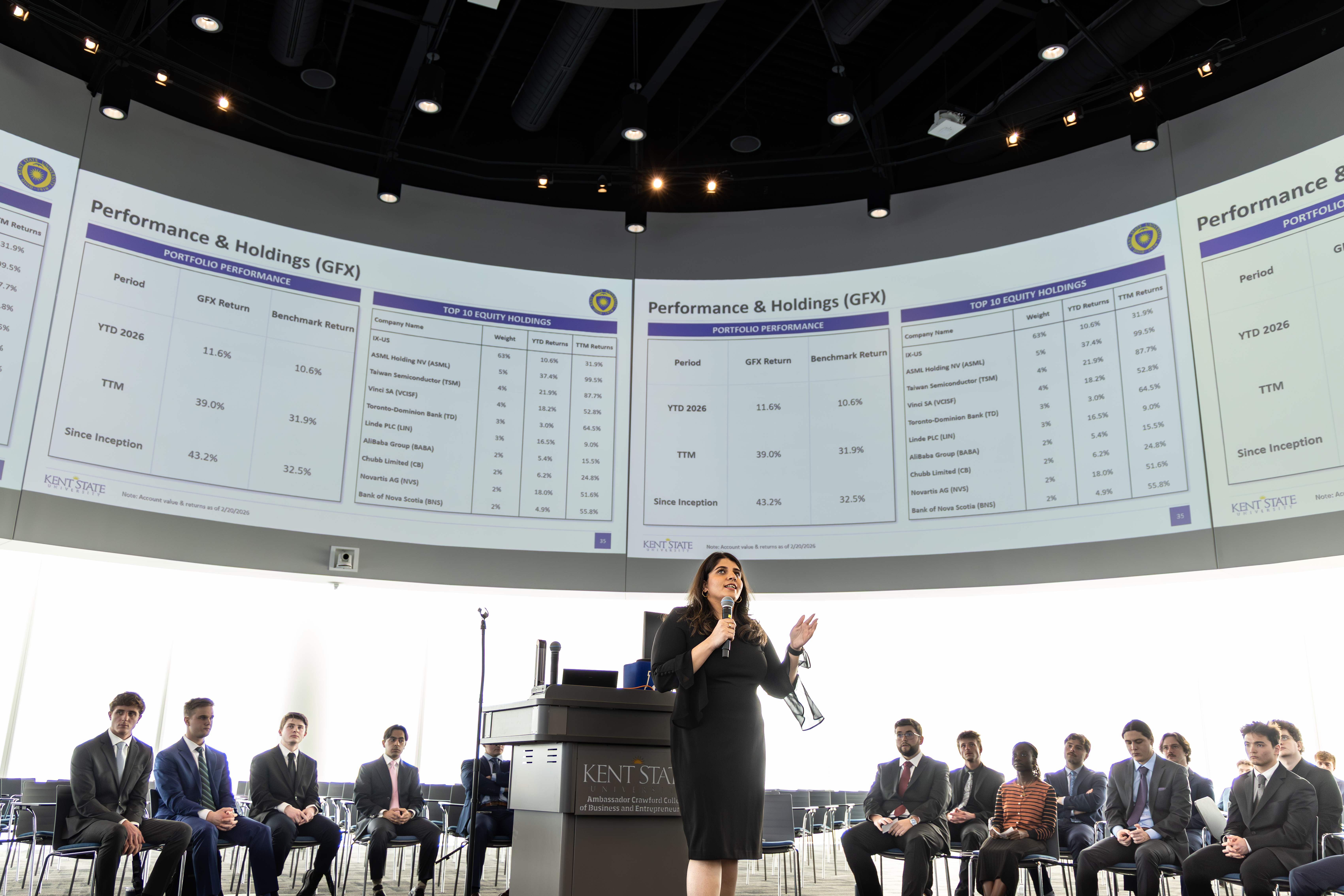
The learning extends beyond financial analysis. Students present weekly, defend their recommendations, and engage in real-time debate. “The questions matter more than the presentation - they show how well you understand your decisions,” Verma said.
But unlike the professional world, there’s room for error. “It’s still a learning environment, so you’re able to take risks and learn from them,” Verma noted.
Opening Doors
The experience translates directly to career opportunities. Choudhary describes the pressure and payoff: “Managing real-world money adds a unique blend of both pressure, but also excitement.”
When he interviewed for an internship at PNC last summer, the recruiter already knew about GFAM. “Seeing the reach that GFAM has through alumni, but also employers, really establishes that credibility,” Choudhary said.
Pelleg shares a compelling example: A former GFAM member became the energy sector lead. Later, during an interview at Goldman Sachs in Miami, he met with a managing director who happened to be an energy banker. “He was talking upstream, midstream, downstream, and the banker was so blown away, he got a job offer,” Pelleg recounted.
After eight years, GFAM alumni now work across the industry — investment banking, wealth management, private equity, credit analysis. This year alone, the program placed three students in investment banking roles. Jose Calderon, ’18, one of the fund’s first students, now pitches seven- and eight-figure deals at a regional real estate private equity firm. Dan Volpe, ’20, GFAM's second president, works in strategy at KeyBank and actively mentors current members. Anne Ritts, ’21, recently became a vice president at PNC.
Billik describes what employers tell him: “What we get from employers about our students is that they are very knowledgeable, very responsible. They come in ready to work, understanding the challenges that they’ll face in the workplace and [they don’t] need a lot of handholding.”
Competing Globally
GFAM’s competitive record backs up the claims. At the Global Asset Management Education Forum — the world’s largest student fund conference, drawing 120 to 150 universities from around the globe — Kent State has won 10 awards (first-, second-, and third-place finishes) in just seven years. That’s more placements than any other university during that period.
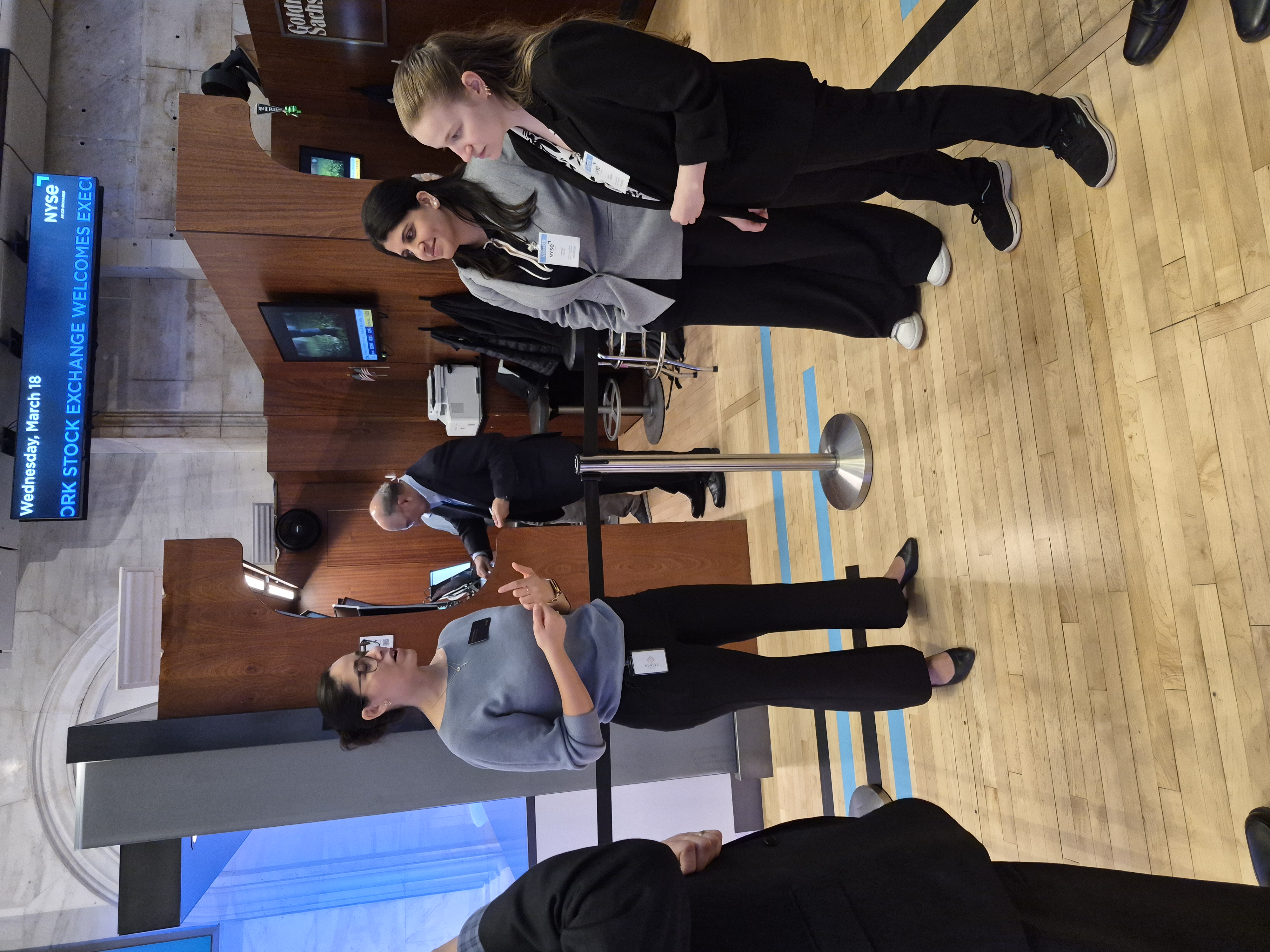
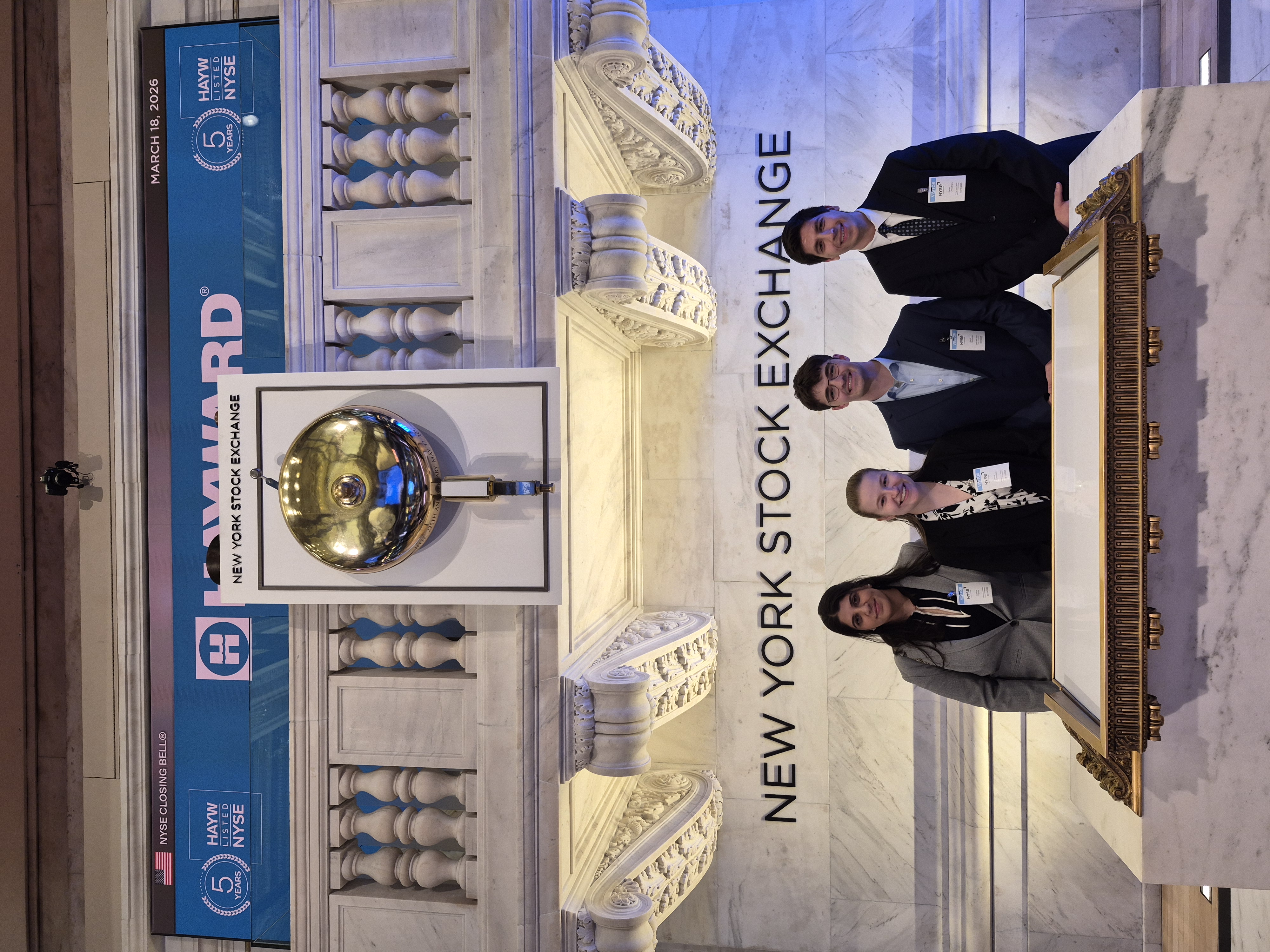
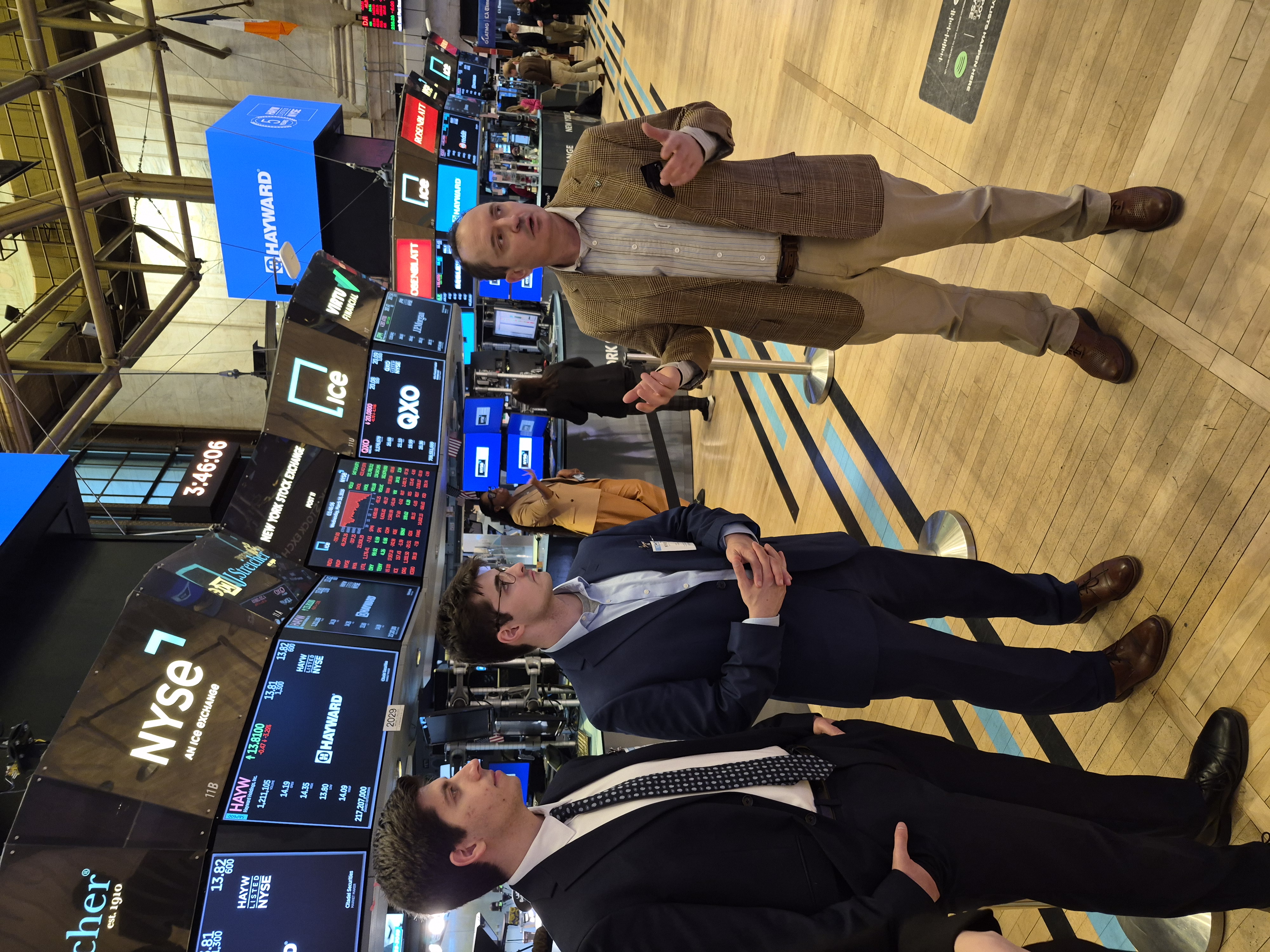
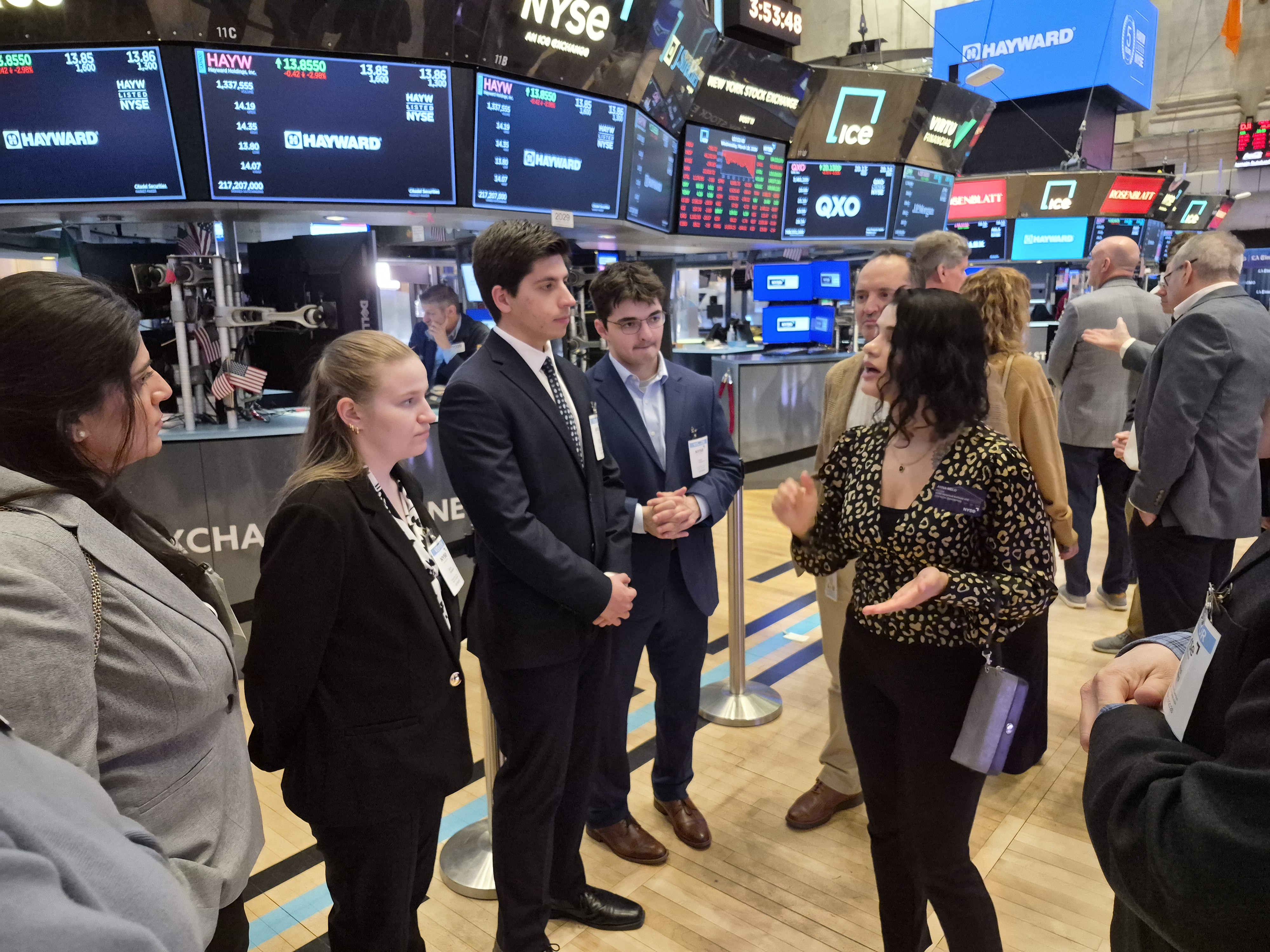
This month, Choudhary, Verma, and fellow student managers head to New York City for the GAME Forum, where they’ll hear from industry leaders, network with Wall Street professionals, and tour the floor of the New York Stock Exchange. For Verma, who’s applying for investment strategy and equity research roles from Ohio to Singapore to the UAE, it’s critical networking.
Choudhary knows what he’ll emphasize in upcoming interviews: “Being able to learn those technical skills, but also teamwork skills, collaboration skills, all of that really ties into an experience I like to highlight in my interviews.”
Back on campus, the twice-weekly meetings continue. Students debate allocation strategies, scrutinize earnings reports, make calls on companies. The pressure is real. The learning is real. The outcomes prove it.
As Billik summarized: “GFAM is the bridge for students to go from school into the profession in a more expedited fashion, less on-the-job struggling and failure, because they have those opportunities here while they’re still in school.”
Or as Verma puts it more simply: “GFAM is one of the best learning opportunities you'll have in school.”