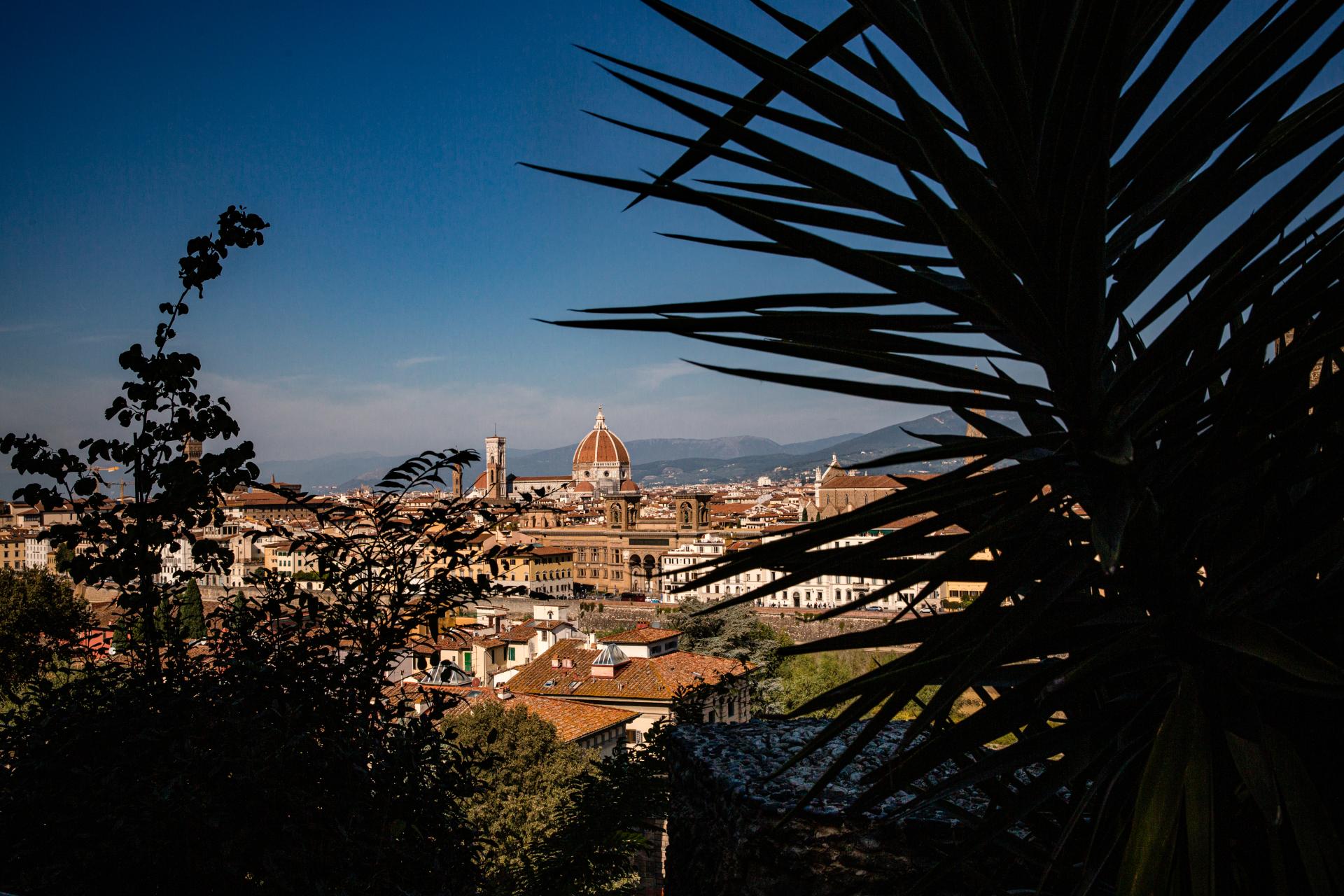

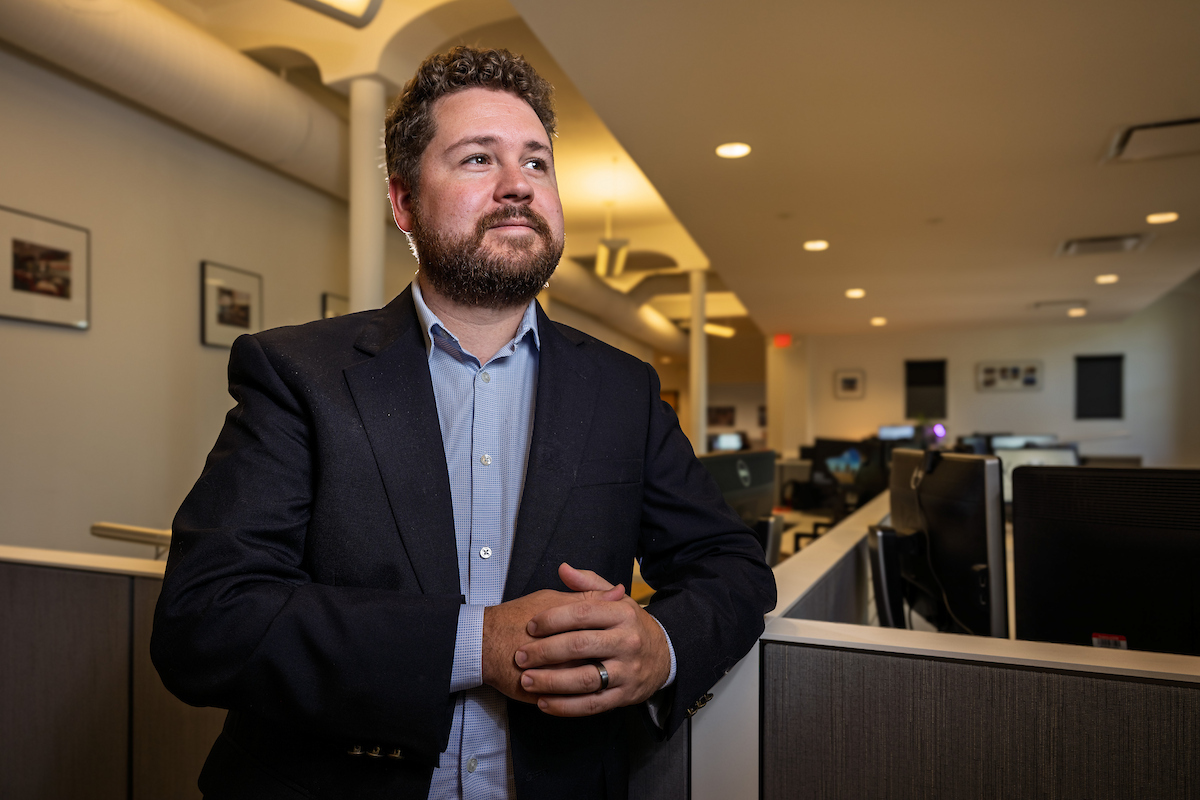
When Luke Koenig, ’14, M.Arch ’15, stepped off the plane in Florence, Italy, during his junior year at Kent State University, he had no idea he was about to experience what he would later call “the perfect city for an architecture student.” More than a decade later, he returned to that same city – this time on his honeymoon with his wife. Returning to Florence as a honeymoon destination was a testament to how deeply the education-abroad experience had shaped his life.
Koenig is one of hundreds of Kent State architecture alumni whose lives and careers were transformed by the university's flagship education-abroad program in Florence. Now celebrating more than 50 years of educating students in the birthplace of the Renaissance, the program continues to produce architects, designers and creative professionals who carry the lessons of Italian design, history and culture into their work across the United States.
“Florence is the perfect city for an architecture student. It’s gorgeous,” Koenig said. Now an architect at Cleveland-based architecture and engineering services firm K2M Design, Koenig recalls living in an apartment with three of his closest friends, walking the same streets that Renaissance masters once traversed. “Florence and architecture go hand in hand,” he said.
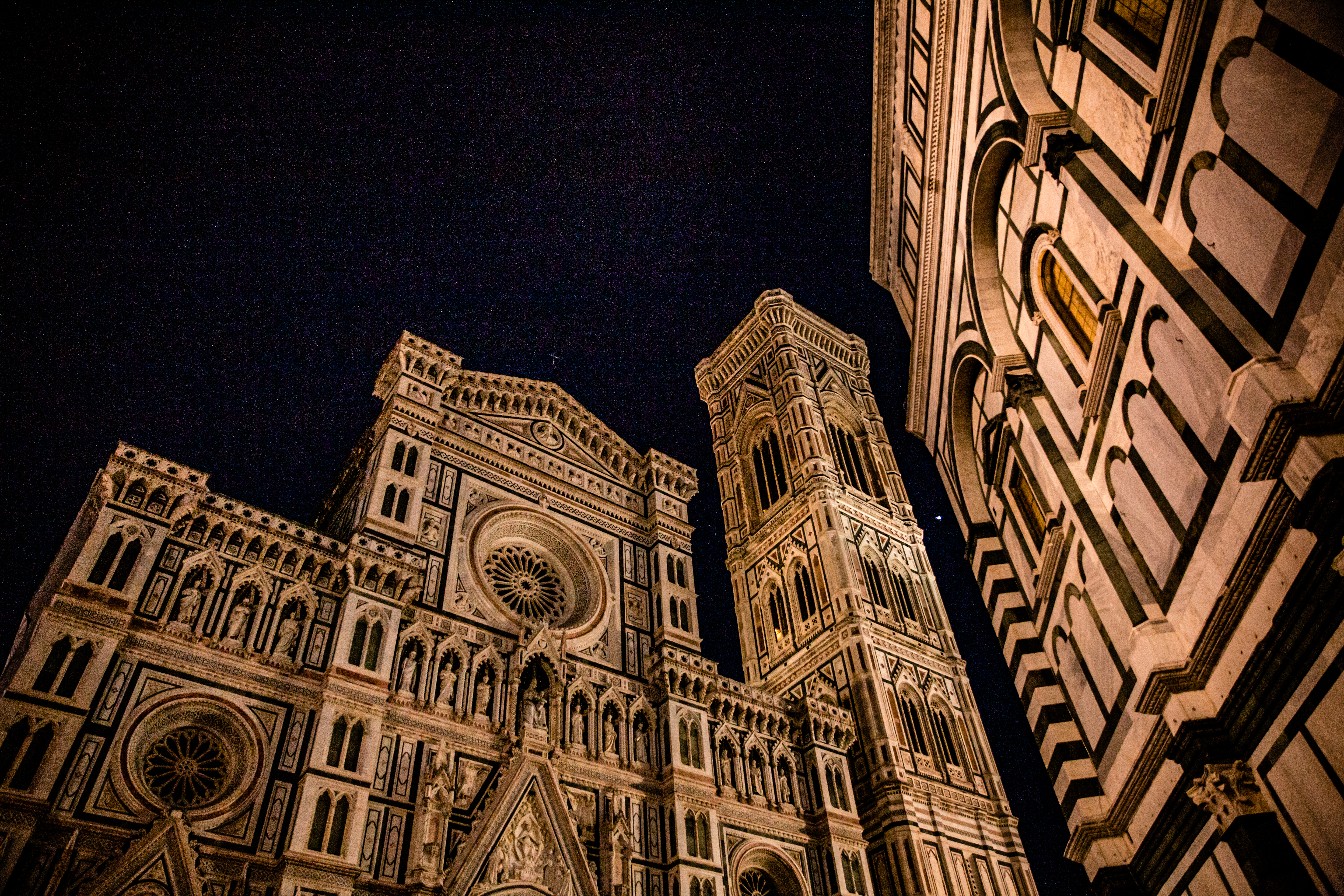
The Florence program began in 1972 when just 10 architecture students and faculty members traveled to Italy for a few weeks. Without a dedicated building or formal academic structure, they improvised – learning through immersion in a city where every building tells a story that spans centuries. That humble beginning has evolved into one of the most prestigious education-abroad programs in the country, now housed in the historic Palazzo Vettori in the heart of Florence, steps away from the iconic Cathedral of Santa Maria del Fiore.
Today, the program offers more than 90 courses annually and welcomes approximately 800 students per year from all disciplines. But for architecture students, Florence remains an essential rite of passage; a semester that fundamentally changes how they see design, history and their place in the continuum of architectural practice.
The City as a Classroom
For Lauren Bleile, ’20, M.Arch ’22, MBA ’22, an architectural designer at VOCON’s Cleveland office, the decision to study in Florence during her junior year came naturally. “I took advantage of the study-abroad program to Florence, Italy, my junior year of college, where largely 75% of my architecture class joined me in Florence,” she said. That collective experience of studying alongside the majority of her peers in a foreign city created bonds that would last long after graduation.
The Florence program does more than teach architectural history; it immerses students in it. As Fabrizio Ricciardelli, Ph.D., director of the Kent State University Florence Center, explains: “Being here in Florence means touching history. I always teach on-site when possible. Wherever we go with students, we have the chance to discuss works of art, masterpieces and history sources.”
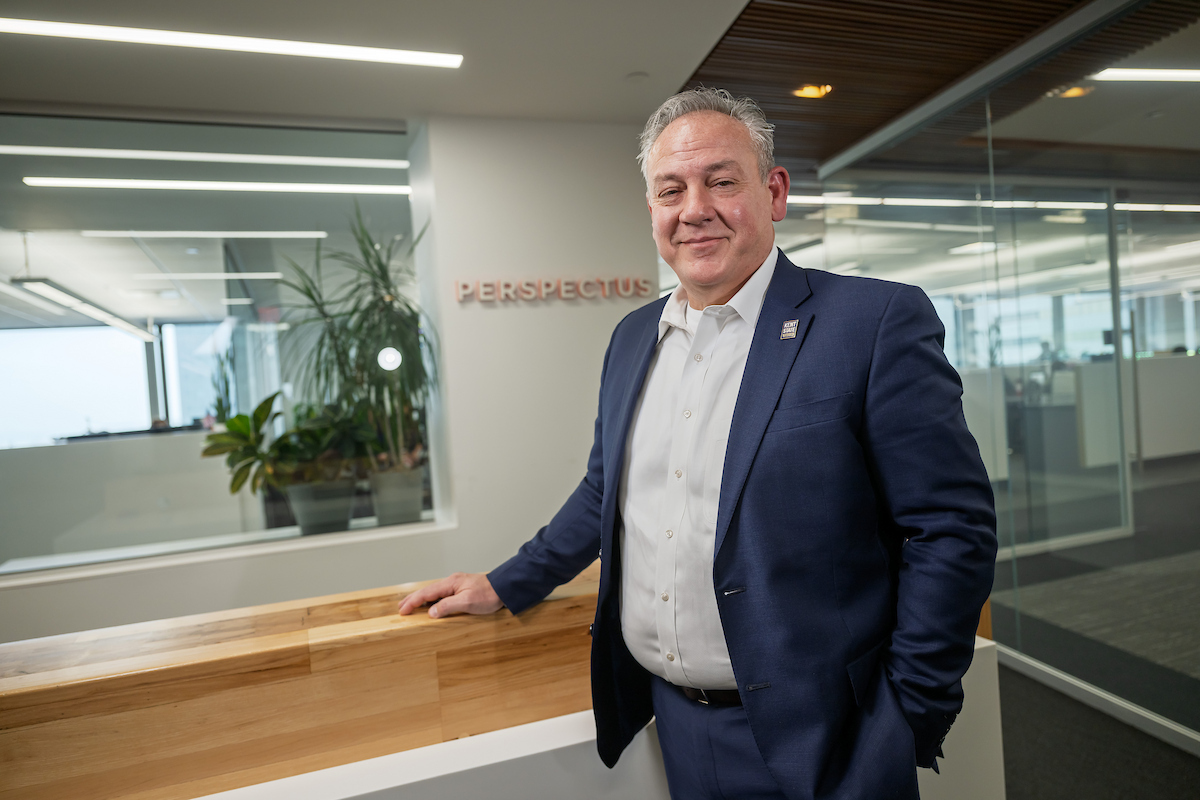
This hands-on approach resonates deeply with students. “For me, the study-abroad experience was incredible. I'd never traveled outside of the country prior to that ... traveling abroad was eye-opening for me,” said Megan Pros, ’13, M.Arch ’14, of Perspectus Architecture, based in Cleveland. She notes that living abroad meant living more independently than she had on campus, where they had dining halls to fall back on. Students would go grocery shopping and cook, and have to find their way in the city together. “Most of our classes and the content that we were learning, we had learned not in a classroom, but on-site,” she said.
Megan ProsFlorence was the birthplace of the Renaissance ... it's cool to think of that lineage that they were here in this city, now I get to be here too, continuing to study architecture and pursue that passion.
Laura Gagnon, ’00, also with Perspectus Architecture, notes how the Florence experience provides a valuable perspective. Finding her design style and experiencing Florence helped her understand what “historic” truly means. In a city where “every building is three times older, it’s a little humbling as to what historic actually means.”
Beyond the Architecture
The Florence program’s impact extends far beyond the technical aspects of architecture. It shapes students’ personal and professional identities in ways that continue to influence their careers decades later.
Scott Ross, ’02, ’03, an architecture graduate working at K2M, emphasizes the interdisciplinary nature of the experience: “One of the times at Kent that we had a high collaboration with a different design profession was when we studied abroad in Florence,” Ross said. “We worked in tandem with the interior design department on a fair amount of projects, and that cross-disciplinary coordination and collaboration with them really helped when you go into the real world, just understanding how you’re going to be working with different disciplines.”
For Amber Yurick, ’25, also with K2M, the diversity of the program enriched her experience. “[The] Kent State Florence program is so heavily dominant with designers, fashion, architecture, interiors ... We all have a similar goal and perspective and interest in design, which is kind of cool when you can begin to marry and blend the two,” she said. Yurick shared that she roomed with an architecture major during her time in Florence, creating the kind of cross-pollination of ideas that defines the program.
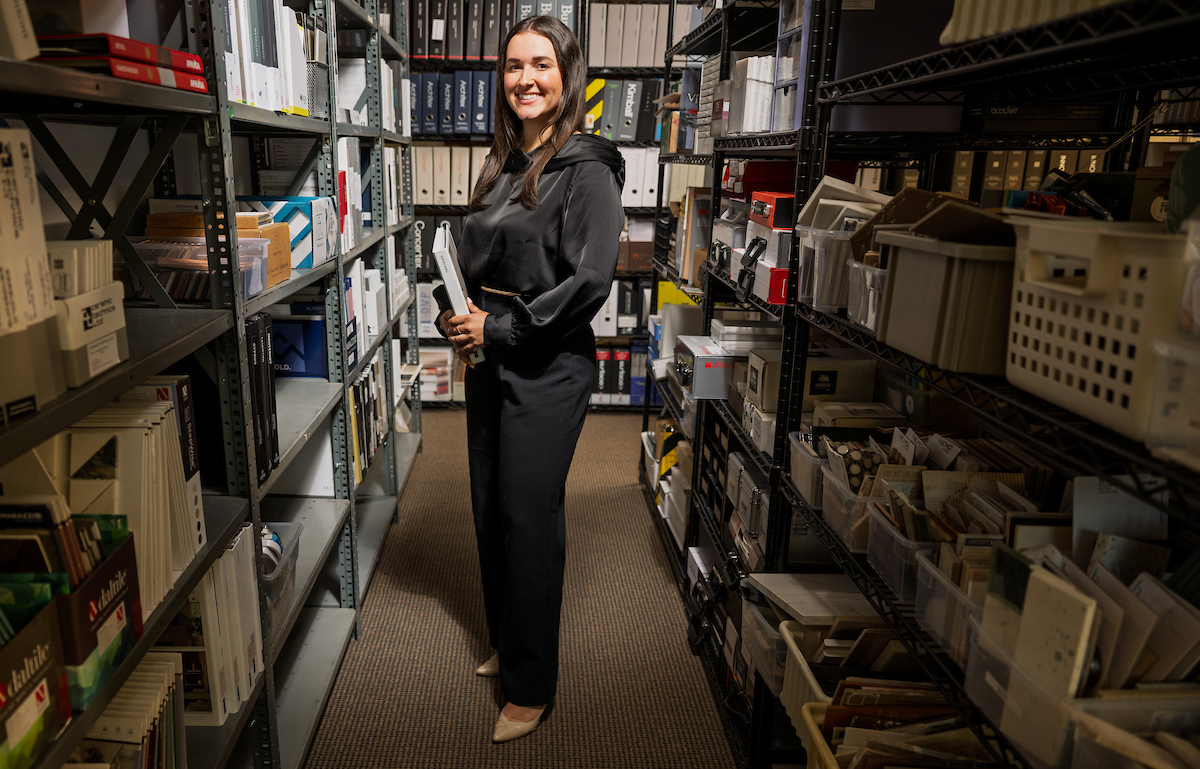
The program also challenges students to grow personally. Laura Montemagno, ’17, of Perspectus Architecture remembers her first time leaving the country. “The Florence program integrates you into Florence. We didn’t live in student housing. We lived in apartments with other young people and families. The floor above us was a family. The floor below us was a group of roommates,” she said.
Laura MontemagnoI was 19 years old. I left the country for the first time. I got on a long plane ride for the first time independently. [It] was very, very cool to be immersed in the city.
Lessons That Last
Vladimir “Vlad” Novakovic, ’97, ’97, M.Arch ’97, was so impacted by his Florence experience that he returned for a second visit, but this time it was even more meaningful. His son, a fourth-year architecture student at Kent State, was studying abroad in Florence, following in his father's footsteps three decades later. “Spending Thanksgiving in Florence was very exciting, especially with him, his roommates and their families,” Vlad recalled. The holiday gathering brought together parents and students who were strangers to each other but connected through their children’s shared Florence experience, creating what Vlad calls “a really nice, unique Thanksgiving to always remember.”
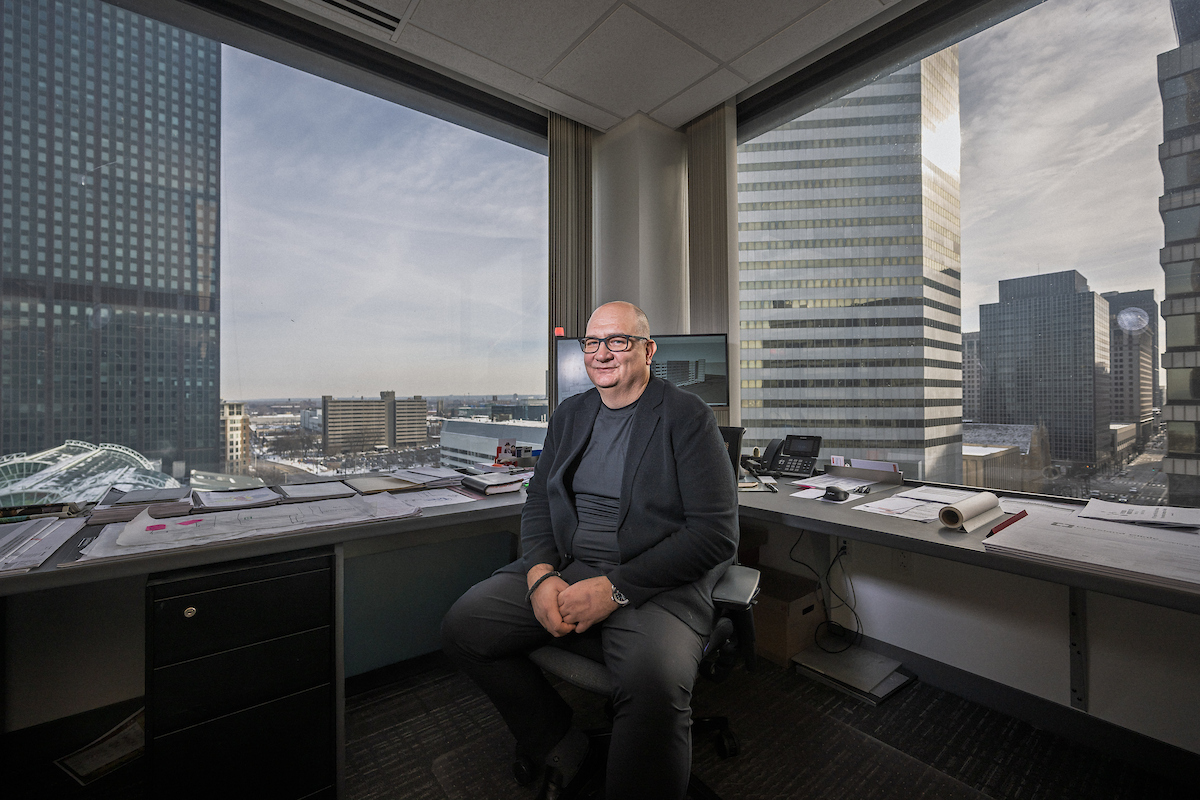
For Vlad, returning to Florence 30 years after his own education-abroad experience allowed him “to see how Florence has evolved and changed over time.” It was a full-circle moment to watch his son walk the same Renaissance streets, study in the same city and build his own memories in the birthplace of architecture.
For Salvatore “Sal” Rini, ’90, of Perspectus Architecture, “When people ask me what I remember most about my time in the architecture program, [my] top experiences come from my experience in Florence, and not only from an architectural standpoint, but an ability to just grow as a person,” he said. “You’re seeing all of the great architecture in our history. You’re not only seeing it, you’re getting to experience the space, but you’re also being able to live on your own for a while.”
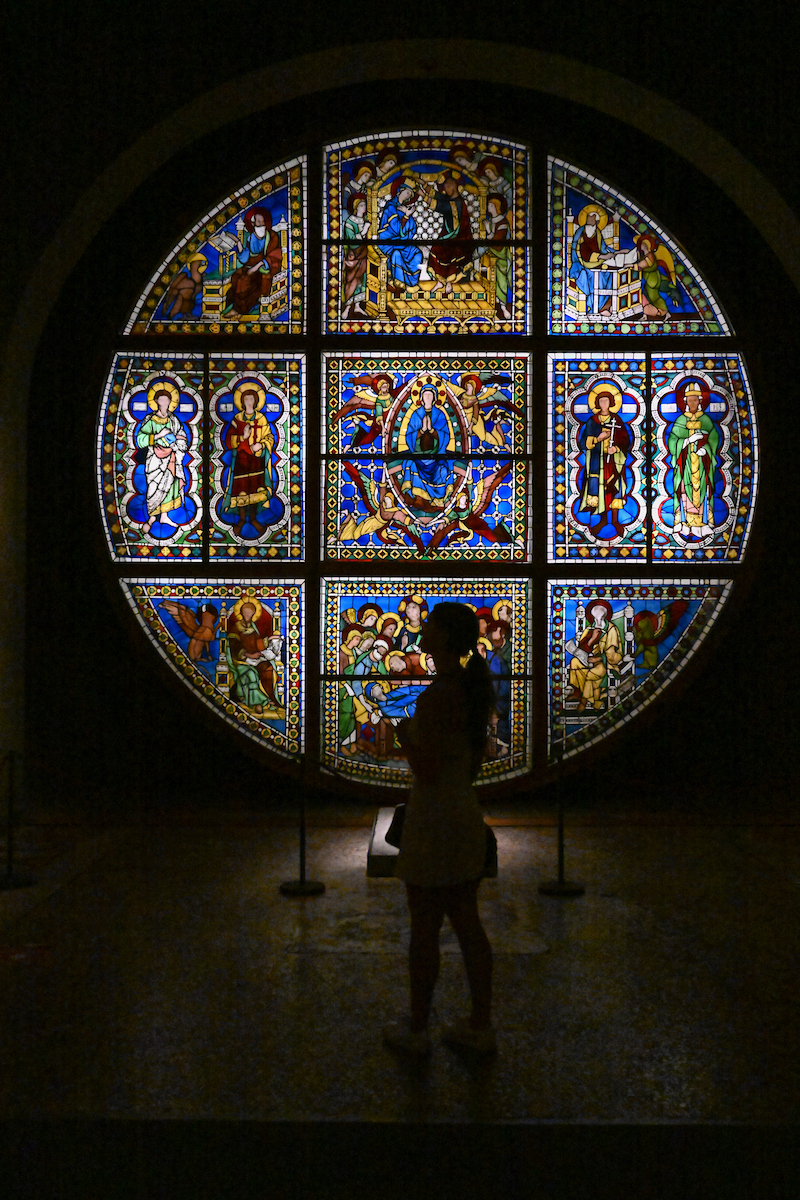
The program’s structure and location afford students the opportunity to explore Europe from Paris to Barcelona to medieval Tuscan villages in their free time or before or after the program. But it’s the daily routine of living in Florence, walking to class past buildings designed by Brunelleschi and Michelangelo, shopping at local markets and integrating into the fabric of Italian life that leaves the deepest impression.
A Living Legacy
Mark Mistur, dean of Kent State’s College of Architecture and Environmental Design, noted that “Kent State’s Florence education-abroad offerings of today stem from its architecture education-abroad program launched in 1972. One of the first of its kind, it featured a partnership with Superstudio, an Italian architecture firm known as a major leader of the Radical Design movement of the late 1960s.”
That innovative spirit continues today. The firms where these alumni now work – K2M, VOCON and Perspectus – all benefit from the global perspective and design sensitivity that the Florence experience cultivates. These professionals don’t just design buildings; they create spaces informed by centuries of architectural evolution, spaces that understand the relationship between past and present, between tradition and innovation.
As Kent State looks toward the future, the university has established the Kent State Global Education Endowment to ensure that financial circumstances don’t prevent students from participating in transformative experiences like Florence by providing scholarships to cover costs. The goal is to make global education accessible to every student, recognizing that what happens in Florence doesn’t just change how students see architecture — it changes how they see the world.
Lawrence R. and Sandra C. Armstrong of San Clemente, California, are longtime partners of Kent State. Their $1 million gift to the Global Education Endowment provides students with the opportunity to encounter the rebirth of architecture in Europe and witness the historical evolution of European art, interior design and urbanism – including the chance to explore the contemporary art and design scene in Italy. In recognition of the Armstrongs’ generosity, Kent State has named The Lawrence R. and Sandra C. Armstrong Architecture Study Abroad Program in Florence in their honor.
For Luke Koenig, returning to Florence on his honeymoon brought his journey full circle. The city that had shaped him as a young architecture student became part of his personal story in the most meaningful way. It’s a sentiment echoed by countless alumni who carry Florence with them — in their designs, their perspectives and their hearts, long after they’ve returned home.
Luke KoenigFlorence is the perfect city for an architecture student.
More than five decades after those first 10 students arrived in Italy, that truth remains unchanged. Florence continues to be the perfect classroom, the perfect inspiration and the perfect beginning for architects who will shape the built environment for generations to come.