The Kent State University Museum announces “Quilts & Coverlets: Art for the American Home,” a new exhibition exploring quilts and coverlets as distinctly American art forms and windows into the cultural, technological and social transformations of the early republic. Opening June 26 in commemoration of the 250th anniversary of the founding of the United States, the exhibition will be presented alongside “Chintz: From Forbidden Fabric to Luxury Interiors,” a student-curated exhibition examining the global history and enduring influence of chintz textiles.
Together, the new exhibitions explore how textiles shaped American domestic life and cultural identity during periods of profound social and technological change.
“As the United States approaches the 250th anniversary of its founding, these exhibitions create new opportunities to explore American history and culture through the museum’s collections,” said Sarah Spinner, Ph.D., J.D., director of the Kent State University Museum. “Together, “Quilts & Coverlets” and “Chintz” invite visitors to consider how objects from the home can reveal larger stories about American identity, innovation and craftsmanship.”
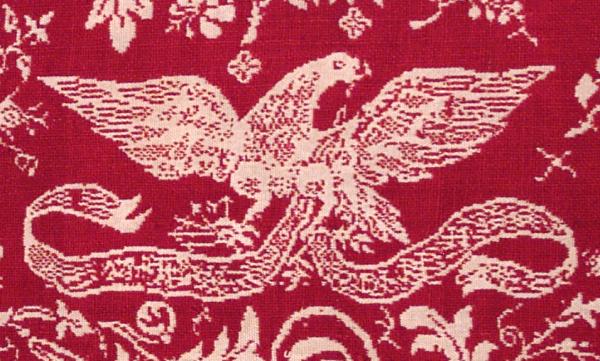
Bringing together 14 figured coverlets and five quilts from the Kent State University Museum collection, “Quilts & Coverlets” highlights the differing forms of labor, artistry and technological innovation that defined these two related textile traditions. While quilts were largely created through women’s domestic labor and social collaboration, coverlets were woven by professional male weavers using increasingly sophisticated loom technologies introduced through immigration and industrialization.
The exhibition includes a rare display of the renowned Keckley quilt, attributed to Elizabeth Keckley, the formerly enslaved personal dressmaker to first lady Mary Todd Lincoln. The quilt, purported to incorporate fabric from Lincoln’s garments, features motifs including eagles and symbols of liberty and offers a powerful connection between textile history, politics and national identity.
Curated by Sara Hume, Ph.D., curator and professor at the Kent State University Museum, the exhibition places quilts and coverlets in dialogue to illuminate the rapidly changing visual and material culture of 19th-century America.
“The parallel histories of quilts and coverlets reflect a period of rapidly changing technology, growing industrialization and the emergence of a more coherent national American culture during the early 19th century,” Hume said. “These textiles offer a valuable way to understand how ideas about labor, craftsmanship and identity were expressed through objects made for the home.”
As industrialization transformed textile production, quilting flourished through expanded access to mass-produced fabrics, thread and batting, while figured coverlets declined in popularity by the end of the Civil War. The exhibition traces these intersecting histories through objects that reveal how Americans expressed identity, artistry and aspiration within the home.
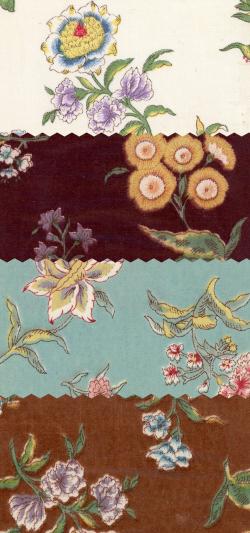
Opening alongside the exhibition is “Chintz: From Forbidden Fabric to Luxury Interiors,” a student-curated exhibition organized by Olivia Carpenter, Collections Fellow and graduate student inKent State’s School of Information. Presented in the museum’s new Learning Lab, the exhibition traces chintz from its origins as richly colored cotton textiles imported from India to its later adoption by European and American luxury fabric houses, where floral printed fabrics became enduring symbols of refinement, prestige and design innovation.
Drawing on historic textiles and furnishing fabrics, the exhibition highlights the role of companies such as F. Schumacher & Co. and Brunschwig & Fils in preserving and reinterpreting historic textile traditions for modern interiors, including iconic spaces such as the White House and Stan Hywet Hall in Akron, Ohio.
“For me, curating this exhibition was not only an amazing opportunity to work closely with historic textiles but to also learn about world history, the development of printing technologies and the roots of luxury fabric houses, all from the samples showcased in the exhibition. Chintz shows how pattern and design are influenced by the past and continue to reflect changing ideas about luxury, taste and history,” Carpenter said. “Being able to organize an exhibition as a student has been incredibly meaningful and gave me hands-on experience working with museum collections and exhibition development.”
An opening reception for both exhibitions will be held on June 25. The evening will include a reception and exhibition viewing from 5-6 p.m., followed by welcome remarks and a concert from 5:30-7 p.m. featuring American repertoire performed by the Cardinal Quarter, a Kent State student ensemble with Alvaro Molina (violin), Claire Laux (violin), Gerson Parra (viola) and Johan Rojas (cello).
“Quilts & Coverlets: Art for the American Home” and “Chintz: From Forbidden Fabric to Luxury Interiors” will be on view at the Kent State University Museum from June 26, 2026, through April 18, 2027.
“Quilts & Coverlets: Art for the American Home” is generously sponsored by Pat Brownell in honor of Logan Brownell. “Chintz: From Forbidden Fabric to Luxury Interiors” is generously sponsored by Paula and Herb Treckel. Additional operating support is provided by the Ohio Arts Council.
About the Kent State University Museum
The Kent State University Museum houses one of the world’s most important collections of fashion, textiles and decorative arts, spanning the mid-1700s to the present. With more than 30,000 objects and seven gallery spaces, the museum serves students, scholars and the broader public through exhibitions, research and object-based learning. In 2025, the museum was reaccredited by the American Alliance of Museums, the highest national recognition a museum can receive. For more information, visit www.kent.edu/museum.
###