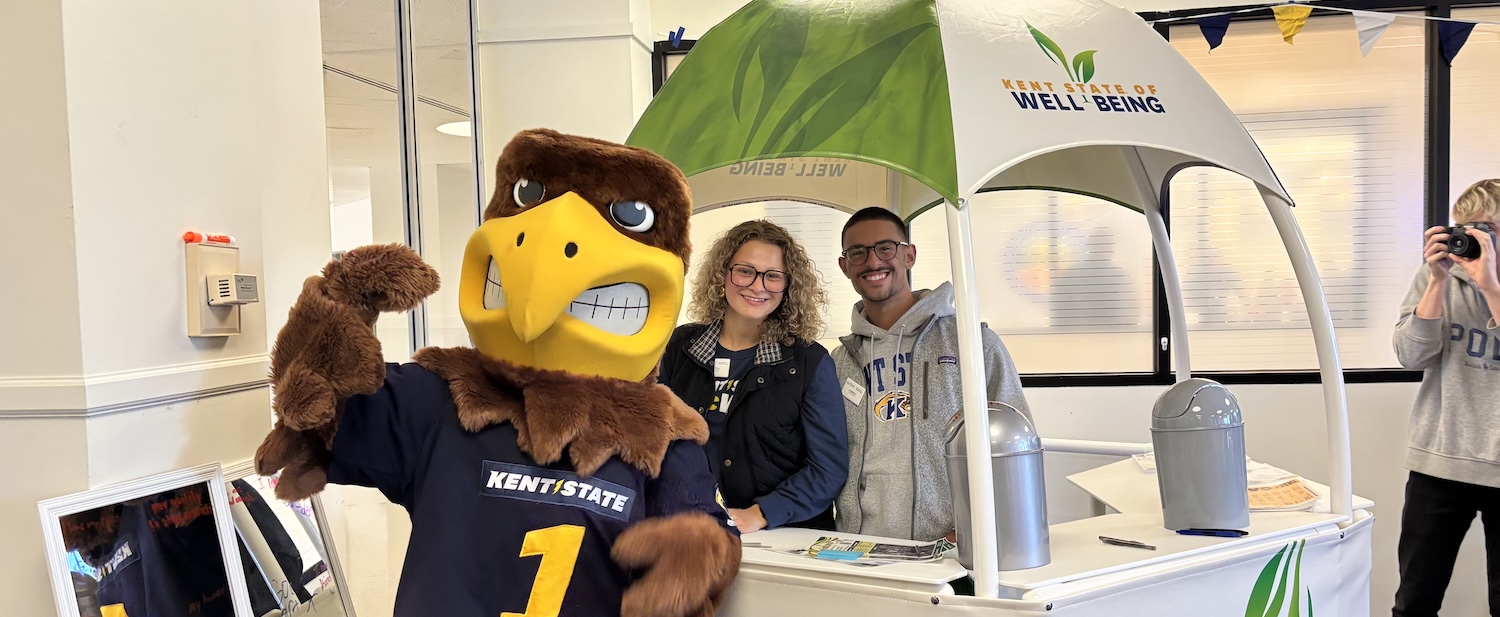

For many students at Kent State University, talking about mental health or wellness can feel intimidating. But for those who connect with Certified Peer Educators, those conversations often start with something simple: another student who understands.
Junior psychology major Dominic Chifulini knows that feeling firsthand. As a Certified Peer Educator, he serves as both a resource and a familiar face on campus, someone students can approach without hesitation.
“I’m just another student walking around campus, but I’m easily accessible to people to come to,” Chifulini told Kent State Today.
Chifulini was drawn to the program through his interest in mental and physical health, but the experience has grown into something more personal and professional.
“Being a peer educator seemed like it would be a really good outlet for me,” he said. “I get to take my knowledge and personal lifestyle experiences and be able to apply into a professional setting, being able to educate others on what I am really passionate about.”
Making Conversations More Comfortable
This growing network of student leaders at the university is working to improve campus well-being through peer education, offering relatable support and accessible resources. These students are not just learning about well-being, but they are leading the charge.
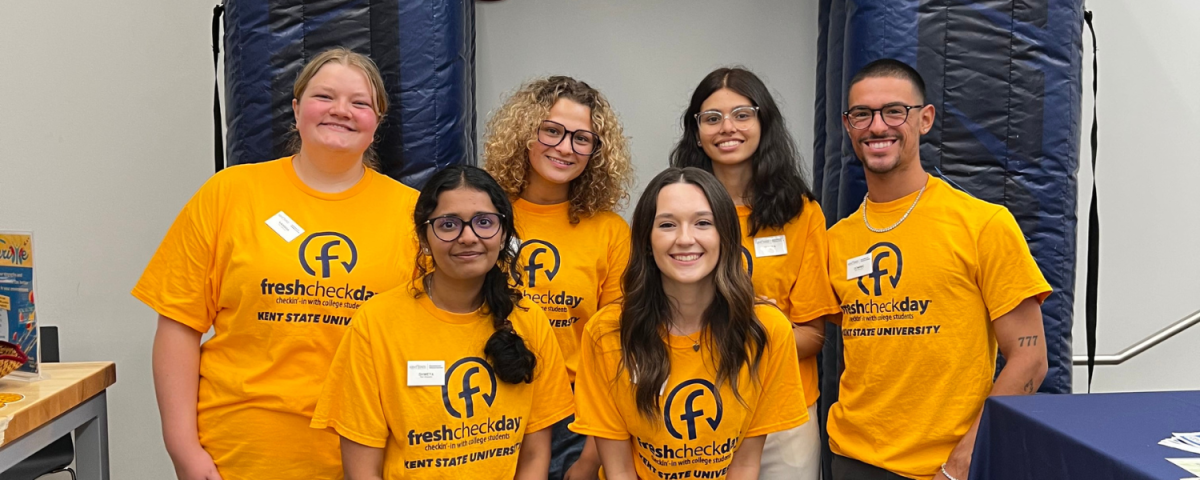
The Certified Peer Educator Program, part of the Kent State of Well-Being initiative housed within Recreation and Wellness Services, is designed to promote a holistic approach to health, addressing everything from stress and sleep to nutrition and substance use. The peers are certified through the National Association of Student Personnel Administrators.
“When information, especially sensitive information, like health topics, comes from someone who is your age, they’re in a similar experience as you,” said Matthew Jones, coordinator for student health and well-being for Kent State of Well-Being. “You’re more apt to trust it and feel comfortable versus combative.”
Instead of formal lectures, peer educators focus on creating relaxed, engaging interactions through events like Wellness Wednesdays and interactive campus outreach; they encourage students to share their experiences and perspectives.
Building Confidence Through Peer Leadership
For sophomore nursing major Soniya Acharya, the role has been transformational. Through her work as a peer educator, she has gained confidence while developing skills that will support her future career in health care.

“I did not used to be so confident when it comes to going and talking to people, I was not good at speaking,” Acharya said. “This [role] has made me confident about my speaking skills; I got to learn a lot.”
Acharya said the experience has also reinforced her passion for helping others and promoting wellness.
“I want to work for people and their wellness,” Acharya said. “This is shaping me to be what I want to be later on as a nurse.”
Expanding Access to Support
Graduate student Shweta Sridhar, who is studying clinical mental health counseling, was drawn to the program as a way to begin supporting students even before entering a professional counseling setting.
“The program is very closely associated with the degree I am going to be graduating with, one of my courses is where I see clients,” Sridhar said.
Through one-on-one sessions and campus programming, Sridhar and other peer educators help connect students with resources and provide a space to talk through concerns.
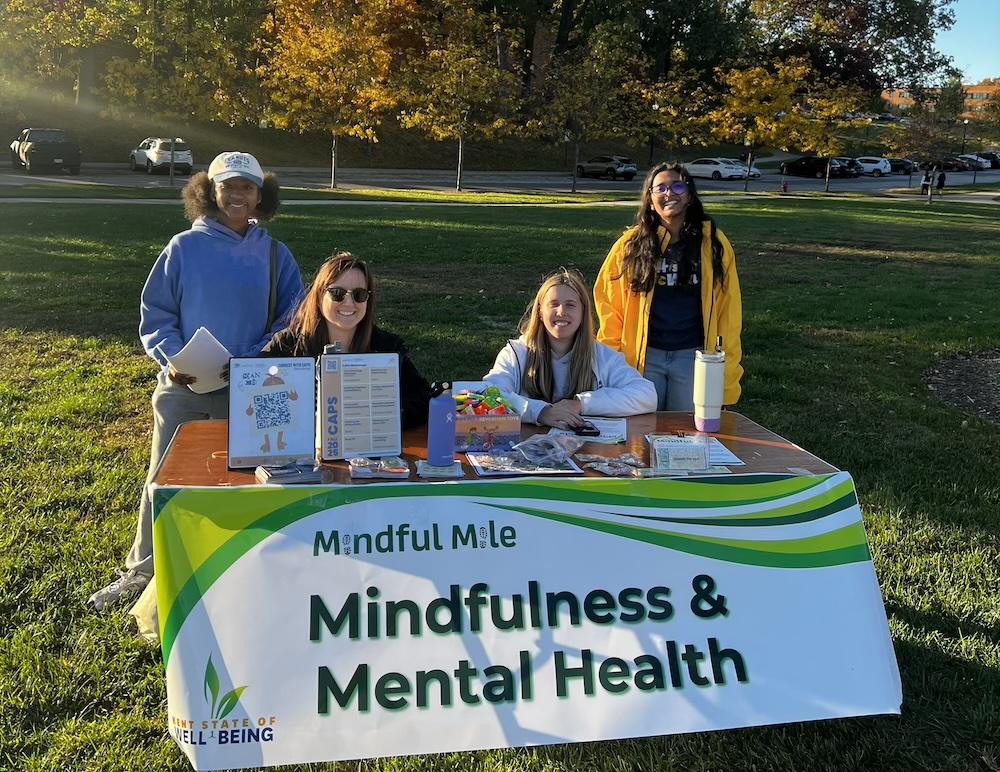
“Students can individually meet and share concerns they have, and we can provide them [students] with the right resources around campus,” Sridhar said.
As the program grows, certified peer educators continue to make lasting impacts, helping students feel supported, informed and empowered in their well-being.
Kent State of Well Being promotes health that encompasses students' lives.
“The goal is not only to help them realize and promote health education,” Jones said. “But it’s also to help work towards creating a culture of wellness on campus.”