
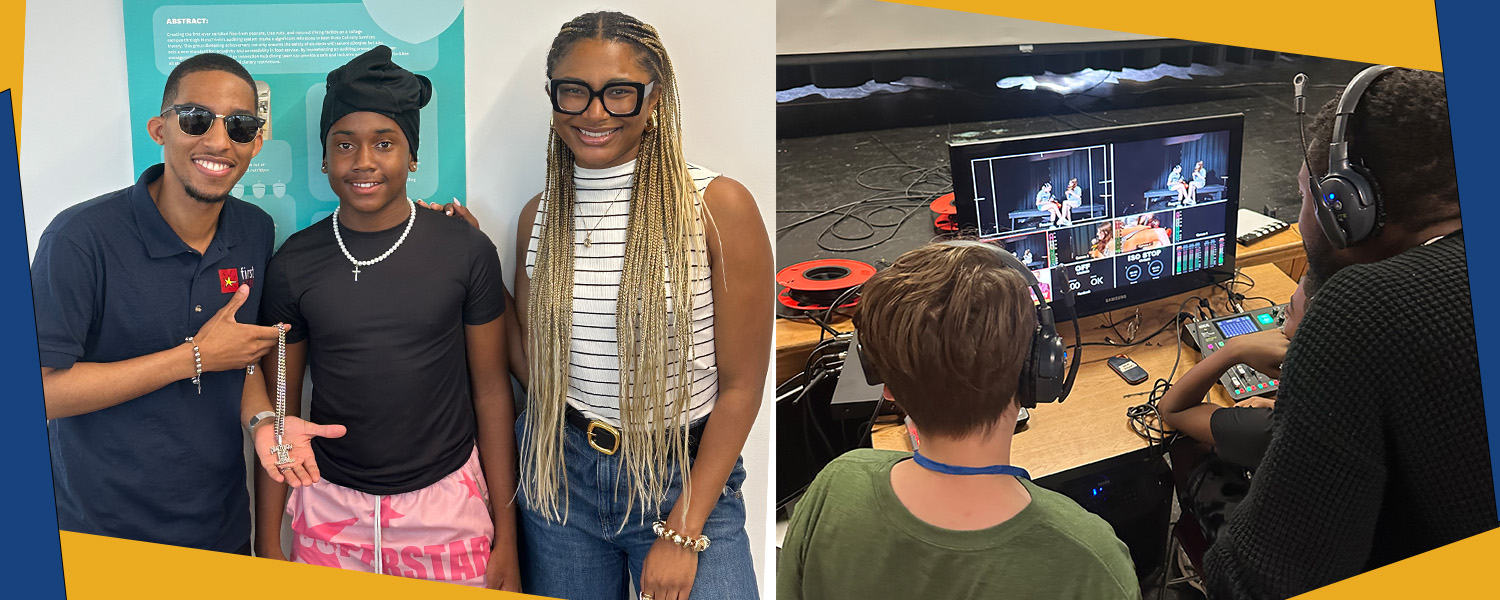
Kent State University's Fostering Pathways for Bright Futures is an innovative program within University Outreach and Engagement that has a mission to empower youth ages 14 to 24 impacted by foster care, out-of-home placement, gang violence or involvement with the juvenile justice system. This program provides academic, emotional and social support while connecting young people to opportunities in higher education.
In July 2025, students within the First Star Academy program transitioned into Fostering Pathways due to legislative changes within the state. Kent State ensured that the students who had been part of that community did not lose momentum.
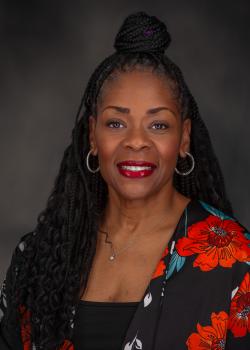
“If it’s not broke, you don’t try to fix it,” Danielle Green-Welch, outreach program director, told Kent State Today. “There isn’t any [service within the program] being lost because I was very intentional. The First Star model is very successful, and it yields a favorable result for students.”
Instead, more than 20 First Star participants transitioned into Fostering Pathways in July 2025, keeping access to the same high-quality programming while gaining new opportunities and expanded support.
Fostering Pathways maintains the successful pillars that defined First Star, like college access, leadership development and life-skills training, while also introducing a community-based service structure that matches the needs of youth and families in the area.
“The Dave Thomas Foundation grant allows us to continue to provide supportive resources and workshops for our caregivers that speak more to social-emotional [services] and helping students navigate building relationships and stable permanency for youth who’ve experienced trauma,” Green-Welch said.
Similar to the First Star program, tier one, or the group that needed the most intensive engagement, came to campus monthly and stayed on campus in the summer.
“Most of our students have been with us for three to four years; we have community,” Green-Welch said.
By streamlining the journey to a degree, the university works to provide access and support success, regardless of where students begin their academic careers.
Case managers and resource specialists work with students and youth in their local communities, serving areas between Cleveland and Akron. The case managers and resource specialists are present in each of these communities twice a month.
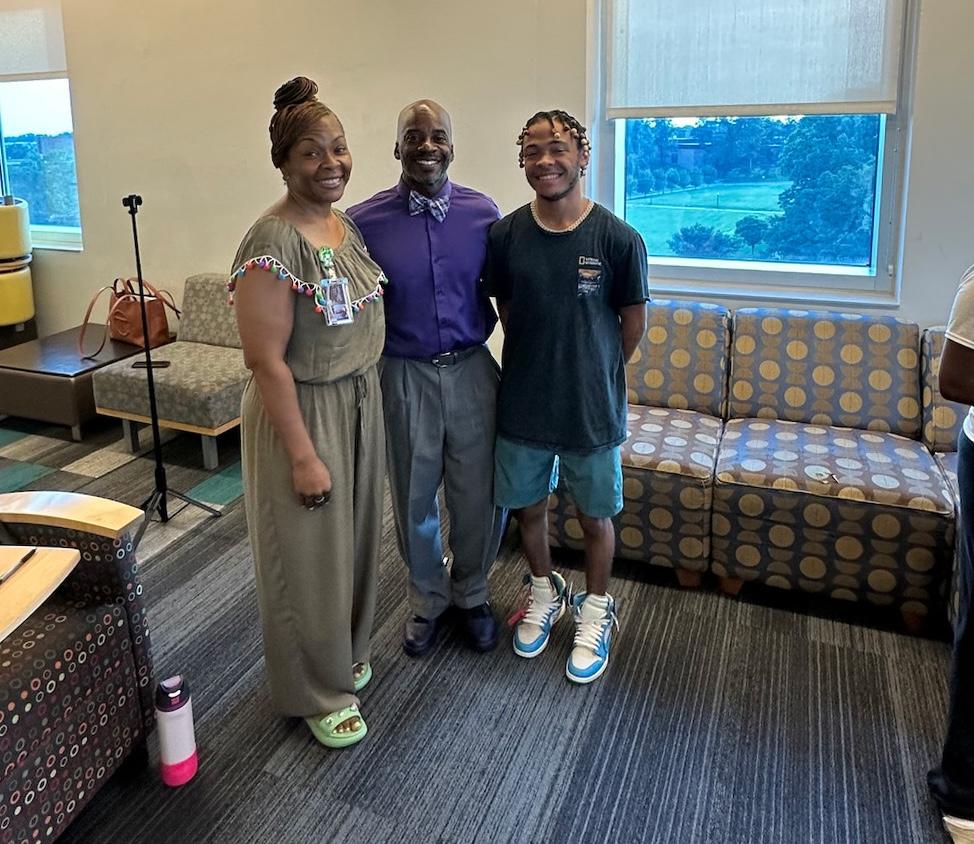
“After our young people transition from tier one, this first year and the First Star transfer students, our resource specialists and case managers will continue to work with them in their local communities, even though the students are no longer required to come to campus,” Green-Welch said.
Kent State’s commitment to students with lived experience in foster care extends far beyond just pre-college programming. The university also invests in the Purple Umbrella Network, a campus-based initiative that supports Kent State students who have experienced foster care or out-of-home placement.
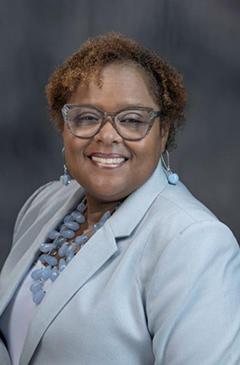
“Fortunately, Fostering Pathways for Bright Futures is a federally funded grant program that has not been directly impacted fiscally, allowing the program to continue as it was designed to do,” Sonya Y. Williams, executive director, University Outreach and Engagement, said.
The impact Fostering Pathways has can be seen in student success stories. One student, now entering their third year with a 3.7 GPA, first connected with the program after aging out of foster care. Once uncertain and overwhelmed, this student now serves as a mentor and role model for younger students.
“This young person gave a testimonial that was just really so moving and just saying that being connected to our programs and being a part of this community has provided support to help encourage them to continue, to help them learn to navigate life and feel safe,” Green-Welch said.
Green-Welch continues to welcome departments, organizations and community members to join in this mission. Opportunities include mentoring, hosting workshops, supporting summer programs or donating essential items to youth who visit campus.
“There’s a quote I use often, ‘No one can do everything, but everyone can do something,’” Green-Welch said. “Most young people just want a shot; they just need an opportunity and people to genuinely believe in them.”
Learn more about the Fostering Pathways for Bright Futures initiative.