Image
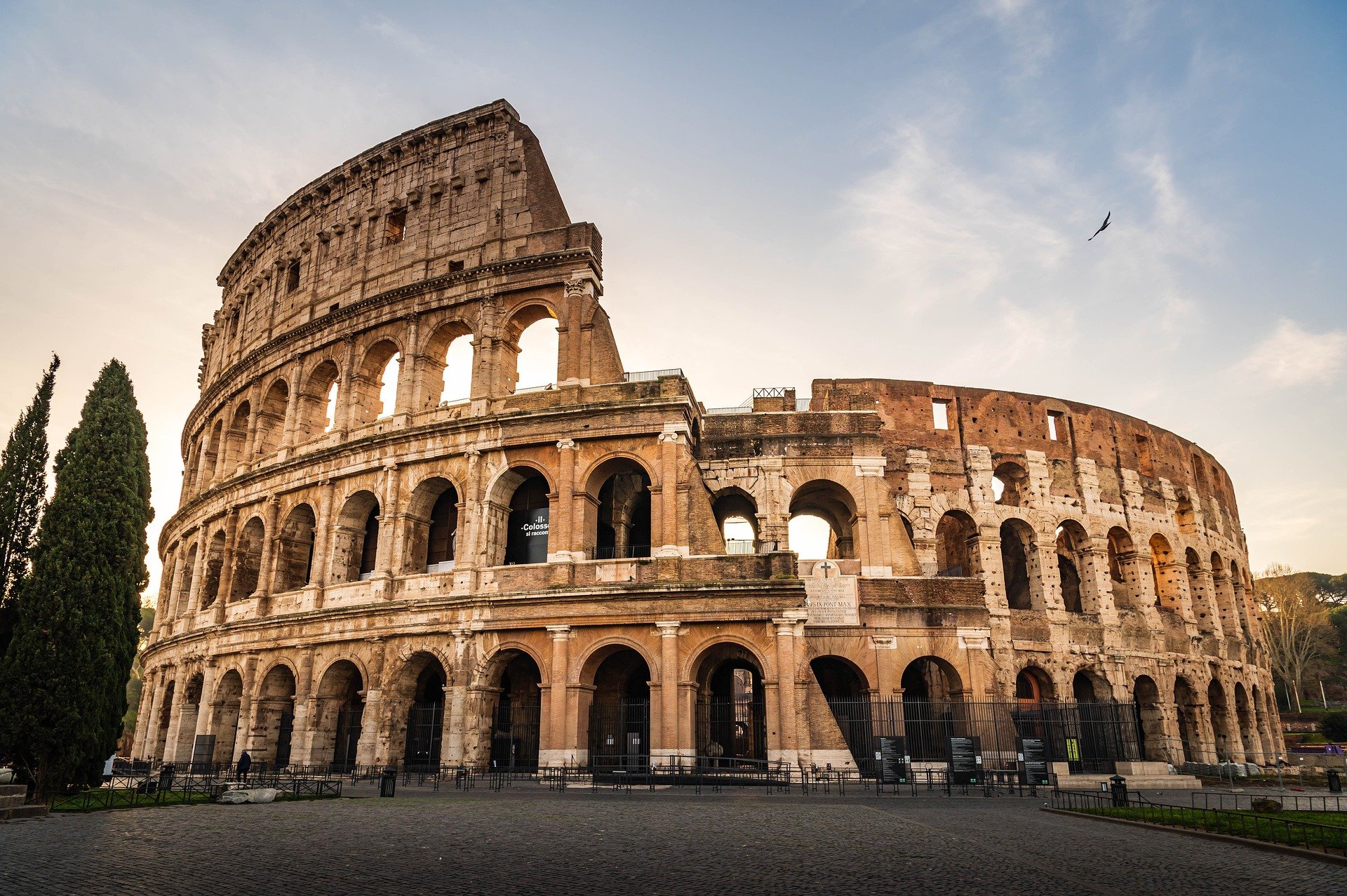
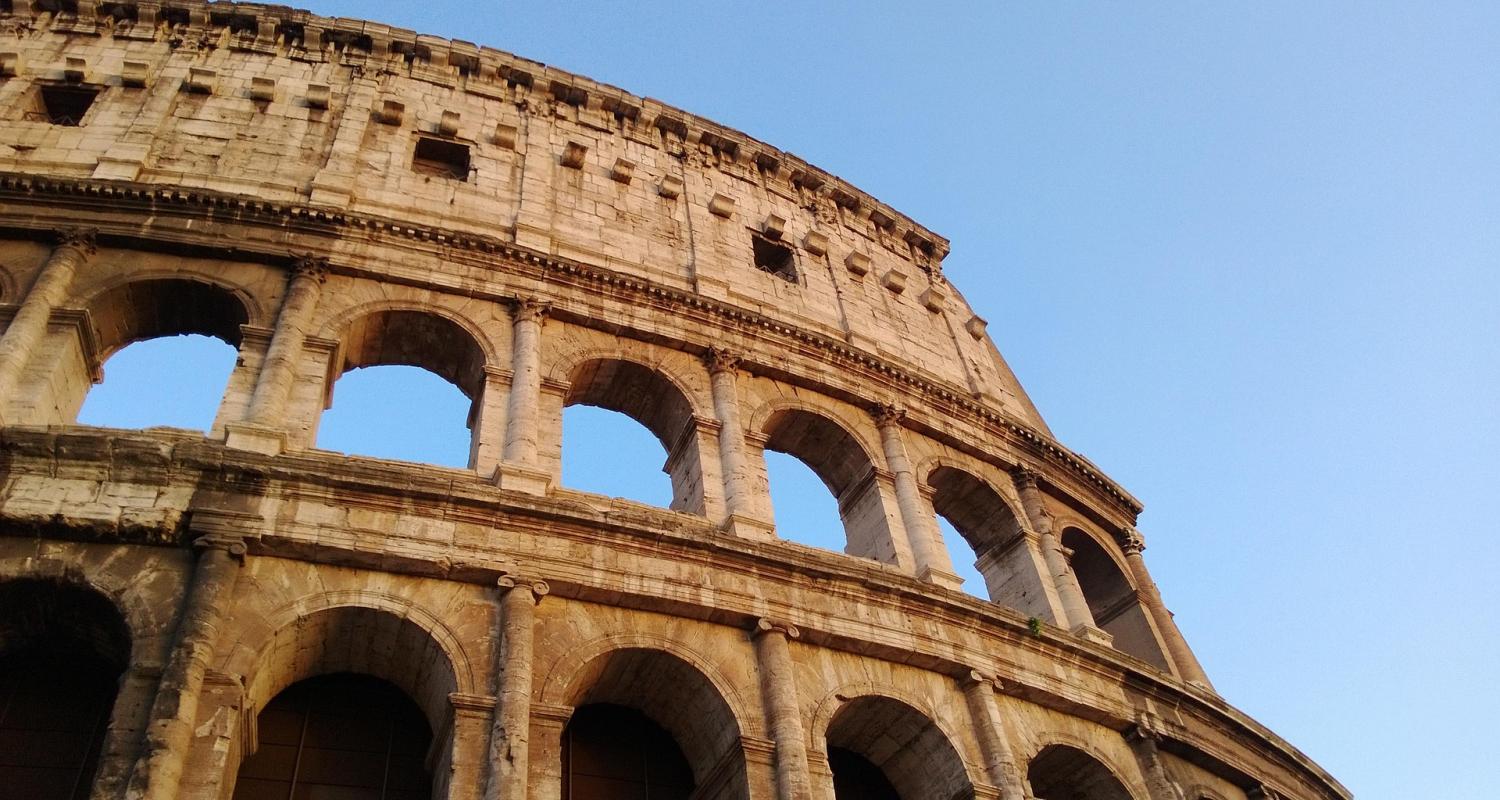
Colosseum in Rome

Learn about the cultural achievements of ancient Rome while exploring some of the city's most notable historical sites. Students on this program can earn Kent Core Humanities credit and Honors credit (if applicable).

Apply now! Applications for Spring Break 2027 are open until September 27, 2026. This course fulfills the Kent Core Humanities credit and Honors credit (if applicable).


My Logo

Location

Rome, Italy

My Logo

Term

Spring Break

My Logo

Housing

Hotel

Program Highlights

Students on this program will explore the history, government, and economy of ancient Rome while visiting the ancient sites they are learning about. Program highlights include:

  • The Colosseum and Roman Forum
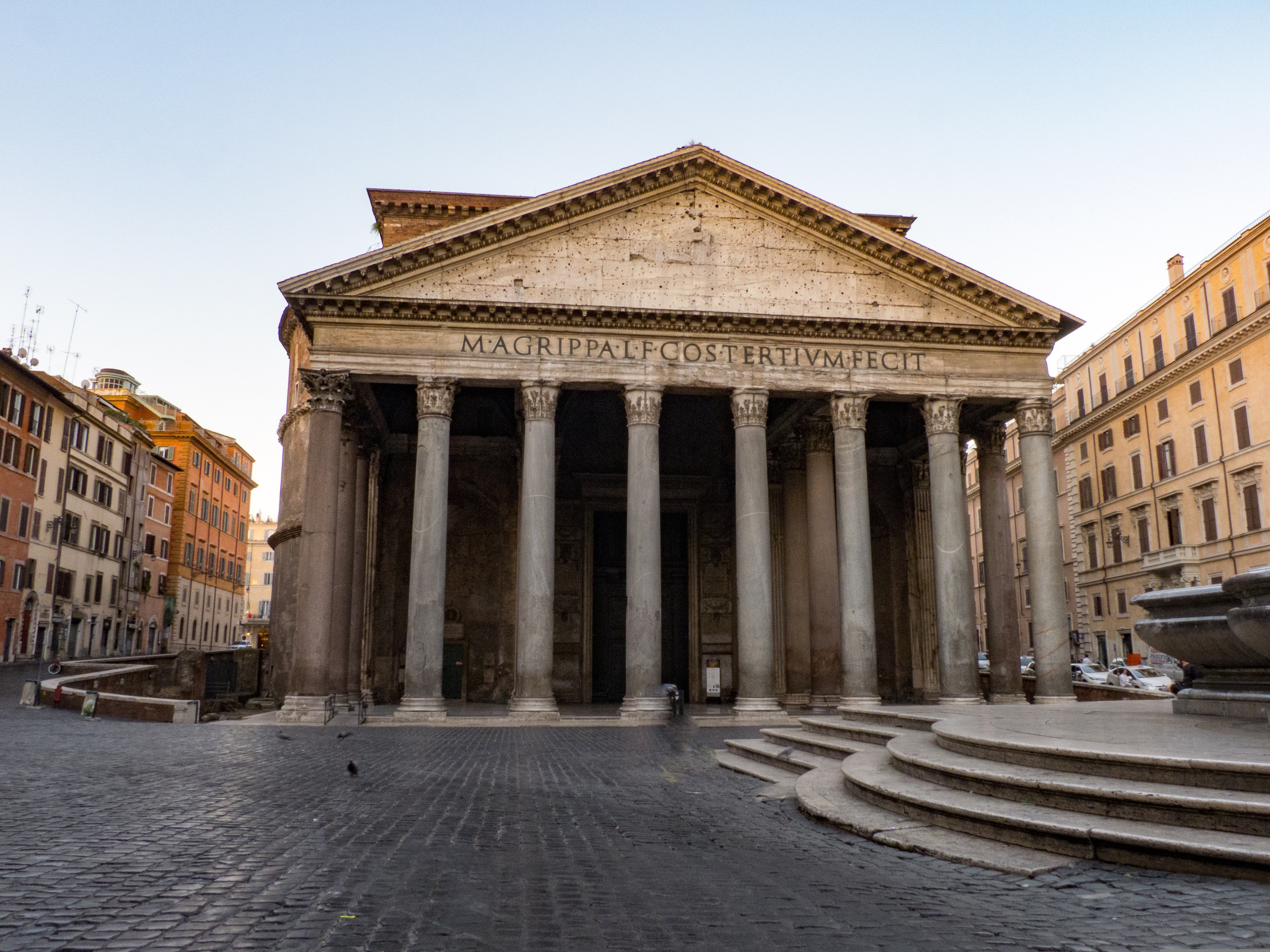
  • The Pantheon
  • The Domus Aurea
  • The Baths of Caracalla
  • The Vatican
  • A day trip to the ruins of Pompeii
APPLY NOW Schedule an Advising Appointment

Program Contact Information

Desiree Dube

Assistant Director, Education Abroad

Email: ddube1@kent.edu

Office Phone: 330-672-7989

Important Dates & Billing

Important Dates

Program Dates: March 12 - 20, 2027

Application Deadline: September 27, 2026

Withdrawal and Commitment Deadline: October 4, 2026

Payment Deadline: The program fee will be billed to your Kent State student account. The program fee deadline aligns with the Financial, Billing and Enrollment Center's spring due dates. You should refer to the first Spring 2027 due date.

Application Process

You will need to complete a Kent State Education Abroad application. These quick steps will help walk you through the process.

1. Start an Education Abroad Application

When you click the "Apply Now" button (located towards the top and bottom of this page), you will be brought to the Education Abroad application system where you can view program costs and start an application. Be sure to submit your application before the deadline!

2. Guest Application (If applicable)

Are you a student at another university? To apply for a Kent State education abroad program, you will first need to apply for admission to Kent State University as a “Guest Student”. Please apply as either an “Undergraduate Guest Student” or as a “Graduate Guest Student”, depending on your course level.

Once you have applied and been accepted as a Kent State University student, you will receive an email with your FlashLine login credentials. Activate your account and then proceed to the next step, which is to apply to the Education Abroad program of your interest. You can return to this page and follow the “Apply Now” button to start that application.

You can also refer to the FAQs for Guest Students if you need further help.

3. Wait for Acceptance

Once you have submitted your study abroad program application, it will be reviewed by the faculty leader. Applications are evaluated on a rolling basis. You should hear back from us within one month.

4. Commit to the Program

If you are accepted, you need to log back into your application by going to educationabroad.kent.edu and clicking LOGIN. Once you see the name of your program, you need to click on it and commit (i.e., accept your offer of admission). 

Eligibility
  • Must be 18 years of age or older by the start of the program abroad
  • All majors can participate.
  • Minimum 2.5 GPA.
Academics

Course Information

Course Name: CLAS 21405 The Roman Achievement

Number of Credit Hours: 3

Course Description: A survey of the cultural achievements of the ancient Romans as seen in their literature and art from the Etruscans through the Christians.  Considers the history, government and economy of ancient Rome, and explores life in Roman society, including the aristocracy and the emperors.  Roman families, the military, and various aspects of daily life.

This course fulfills the Kent Core Humanities credit and can be taken for Honors credit.

Tentative Itinerary

Below is a tentative itinerary; however, the exact sequence, sites, and departure city are subject to changes in availability and cost.

Friday, March 12:

  • Depart from Cleveland to Rome

Saturday, March 13: 

  • Arrive in Rome, Italy and settle into hotel

  • Free day to adjust

Sunday, March 14:

  • Ara Pacis Museum: Students will start off their trip by visiting the Ara Pacis Museum, a contemporary architectural building built around the Are Pacis Augustae, which is a sculpture built in honor of Emperor Augustus back in 13-9 BC. 

  • Pantheon: Following that, students will have the chance to visit the Pantheon. Originally built as a temple, its name meaning "all the gods", it was consecrated as a Catholic Church after being gifted by the Byzantine Emperor Phocas to Pope Boniface IV in the year 609 AD. Being consecrated as a church saved this building from being stripped for building materials during the Middle Ages!

  • Area Sacra di Largo Argentina: Students will also visit the Sacred Area of Largo di Torre Argentina, a large open space with four Roman Republican temples and the remains of Pompey's Theatre. The remains of the Pompey's Curia is where Julius Caesar was assassinated back in 44 BC.

Monday, March 15:

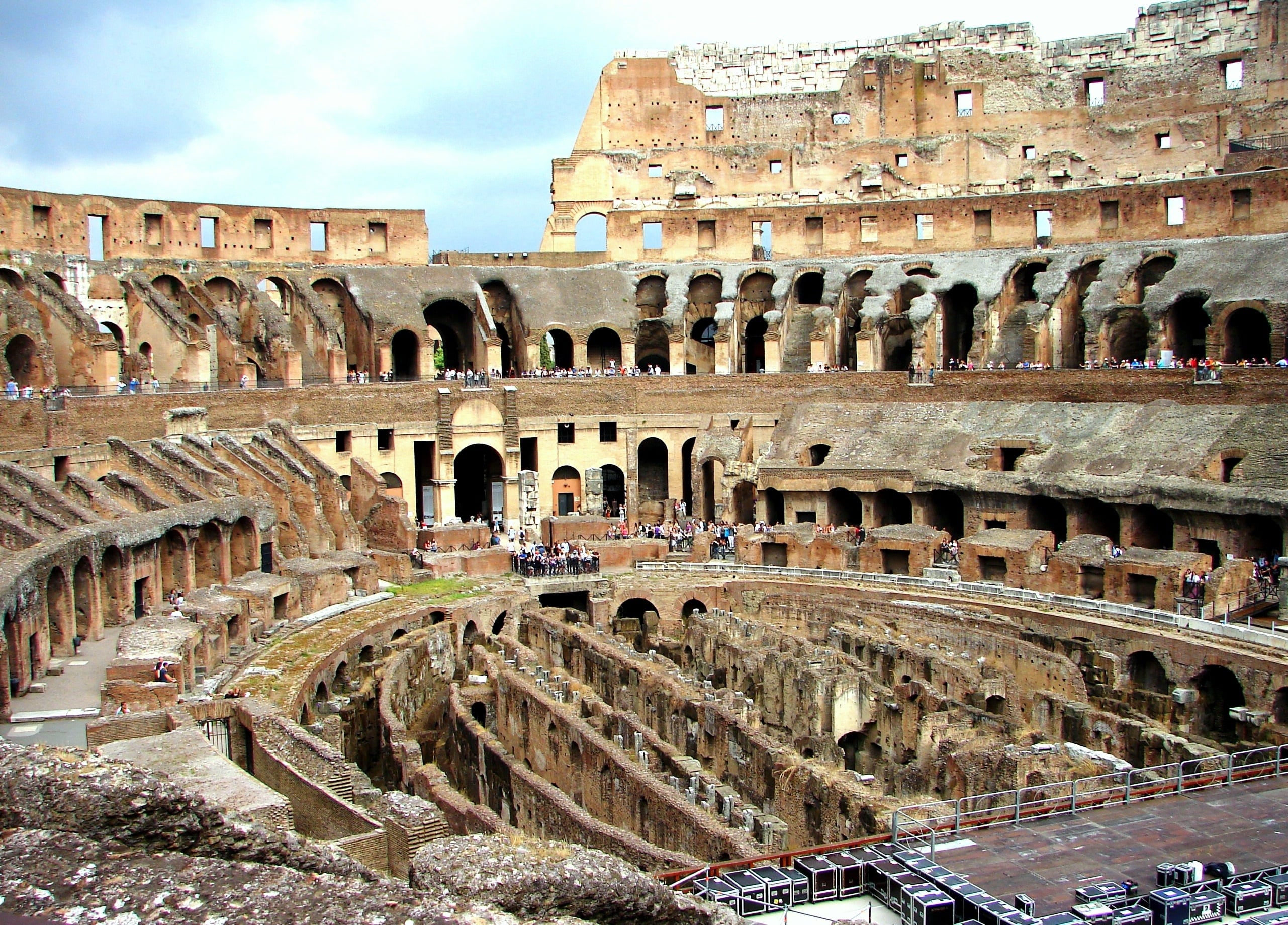
  • Colosseum: The second day will start off with a visit to the iconic stone arena, the Colosseum. Rich in history, this massive amphitheater was opened in AD 80 and was the site for several gladiatorial shows and a variety of events, including animal hunts and public executions.

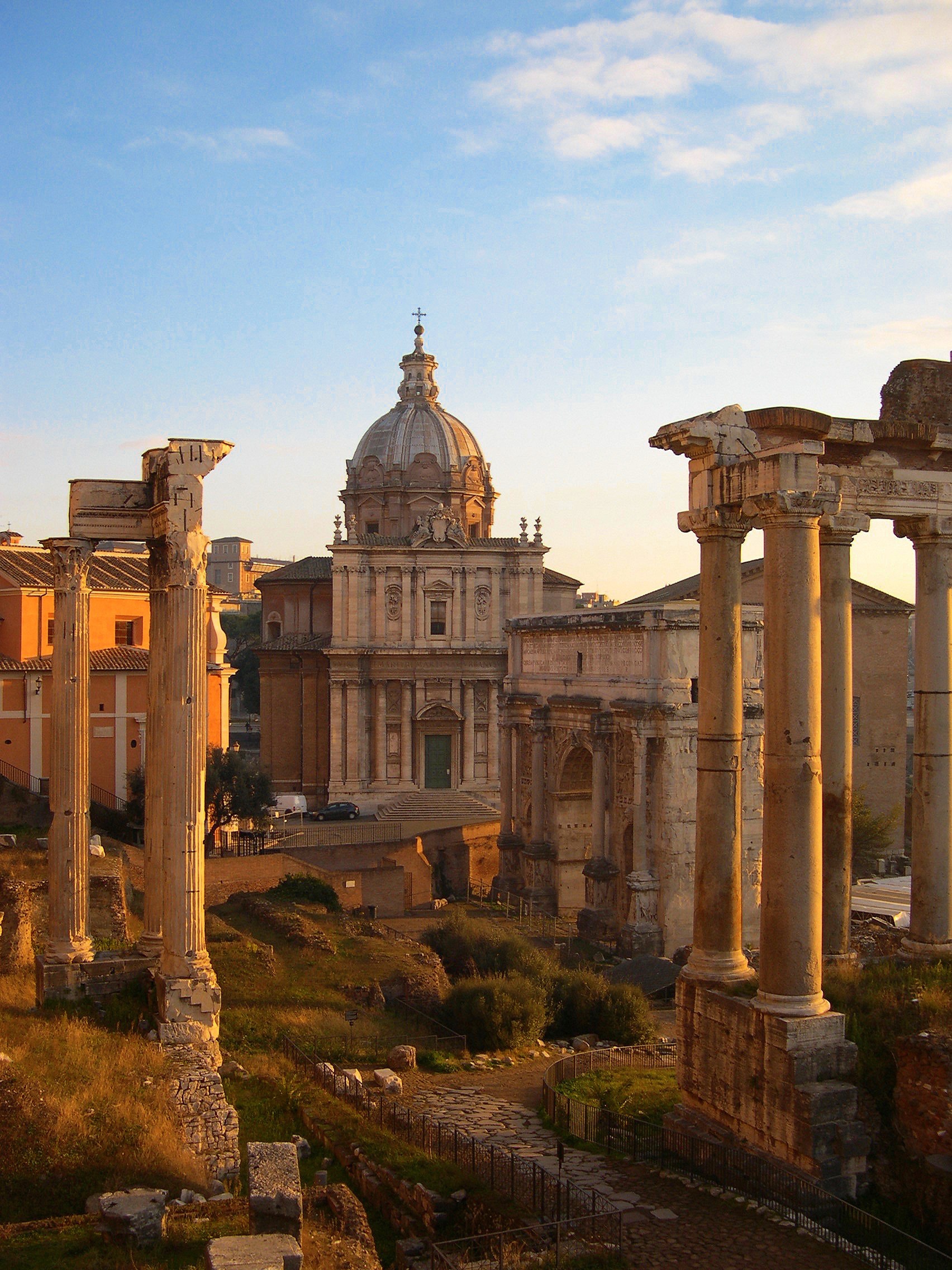
  • Fori Imperiali (The Roman Forum): The group will then visit the Roman Forum, which used to be the central hub of ancient Rome, and was the city's political, commercial, and religious center for over 1,000 years, being the epicenter of the Roman Empire.

  • Group dinner

Tuesday, March 16:

  • National Etruscan Museum of Villa Giulia: The day will start with a visit to the National Etruscan Museum, a beautiful 16th century palace dedicated to the Etruscan and Faliscan civilizations, showcasing a world-famous collection of ancient Etruscan sculptures and artifacts.

  • Baths of Caracalla: Following the museum, students will visit the city's ancient public bath complex, which is estimated to have been built between AD 212 - 217. The baths have truly extraordinary architectural features, and have several decorations, mosaics and statues visitors can view while there!

Wednesday, March 17:

  • Domus Aurea: The day will start off with a visit to the "Golden House", an ancient underground complex built by Emperor Nero after a major fire. It is an impressive palace complex with more than 150 rooms, lots of marble, ivory, and gold leaf walls.

  • Campidoglio and Capitoline Museum: Following the Domus Aurea, the group will visit the Capitoline Museums, located in the Piazza del Campidoglio. These museums are dedicated to the art and history of ancient Rome with a great collection of Roman sculptures, including the Equestrian Statue of Marcus Aurelius, as well as several Renaissance and Baroque paintings!

Thursday, March 18:

  • Vatican Museums: The group will start the day by visiting the public museums of the Vatican City, where they'll see the incredible works from the collection amassed by the Catholic Church and the popes throughout the centuries, which include some of the most famous and important masterpieces of Renaissance art in the world! Places students might visit include the Sistine Chapel, Raphael Rooms, and the Gallery of Maps, as well as many others.

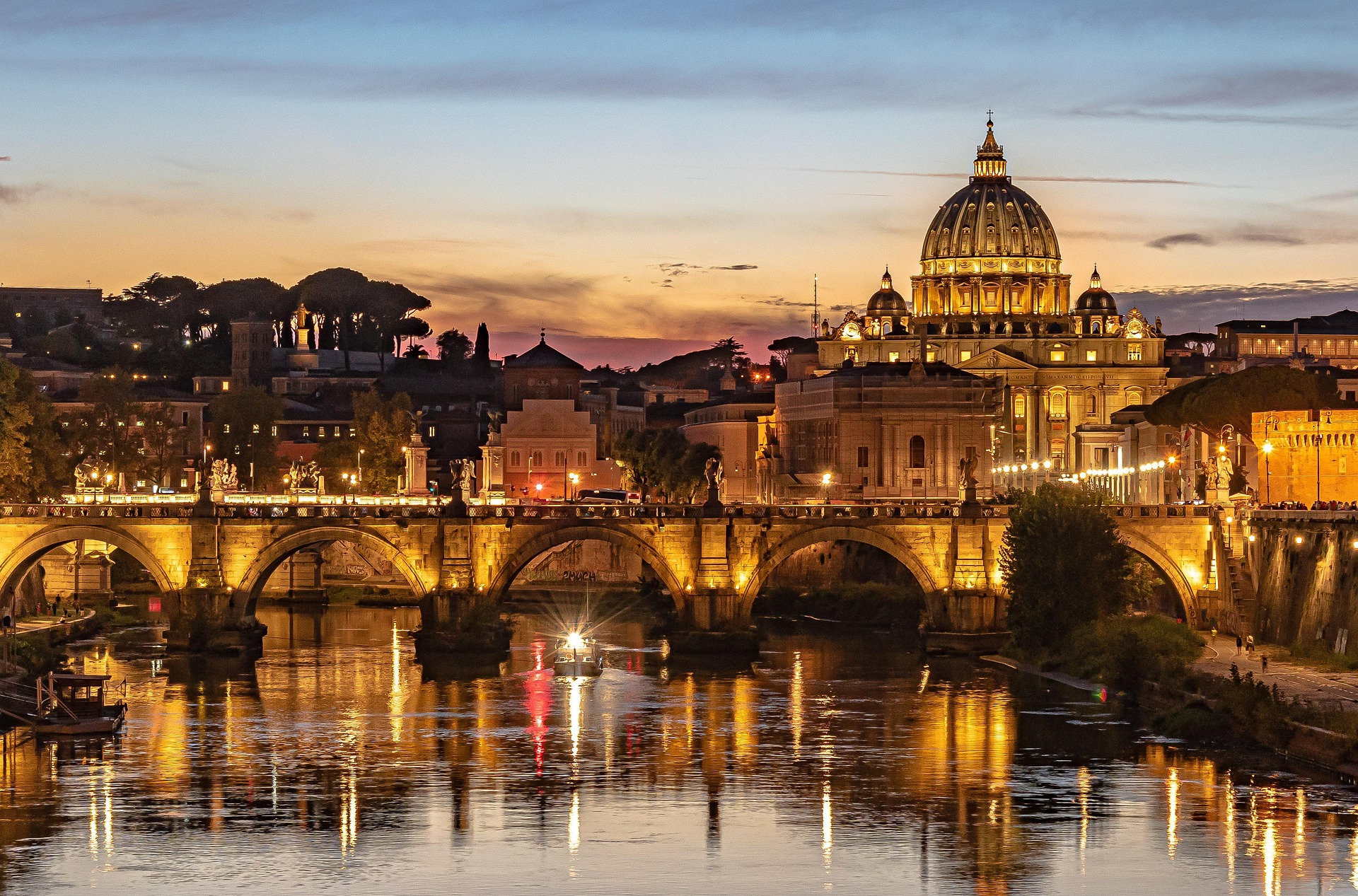
  • Saint Peter's Church and Square: Also located in the Vatican City, St. Peter's Basilica and Square form the heart of the Roman Catholic Church, and it's one of the largest churches in the world. This is a key pilgrimage location as it is the burial site of St. Peter, one of the twelve apostles and the first pope of the Church. The square was designed to accommodate huge crowds, supporting over 300,000 people, and contains beautiful fountains and statues of saints. 

Friday, March 19:

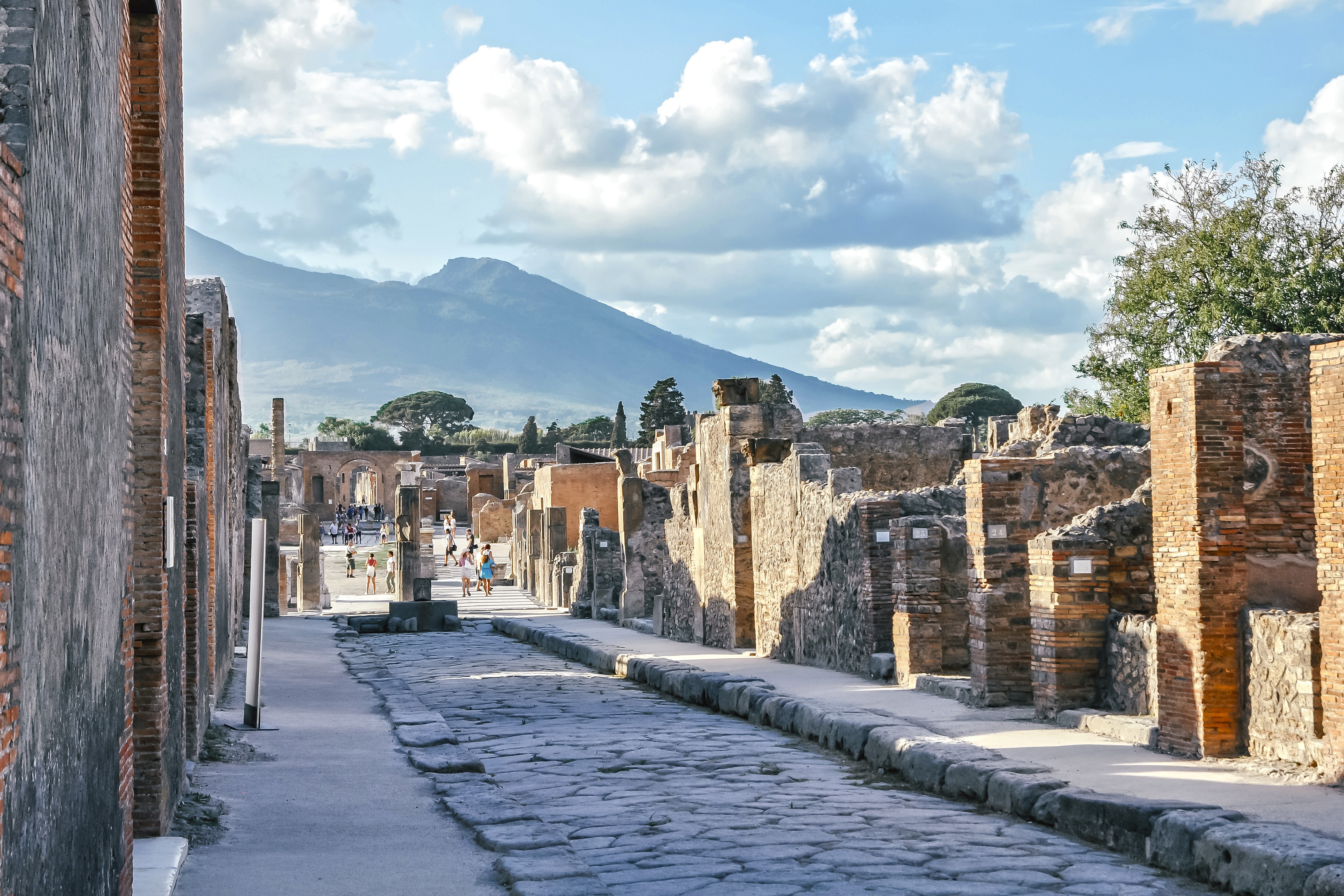
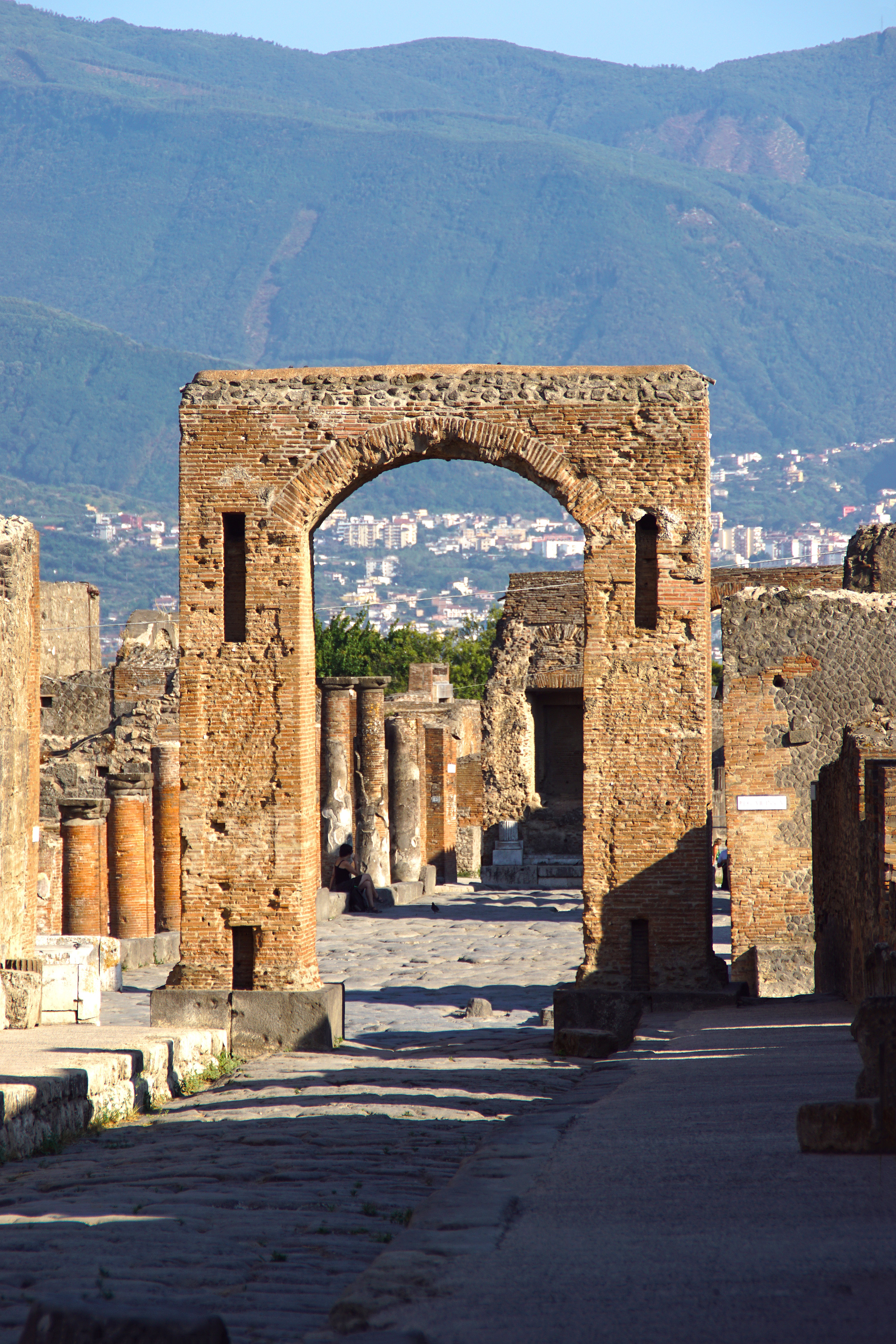
  • Pompeii day trip: Before the group departs back to the US, they will enjoy a day trip to the UNESCO World Heritage Site of Pompeii, a vast archaeological site. Pompeii was once a thriving Roman city, which was buried under meters of ash and pumice after the eruption of Mount Vesuvius in AD 79. Students will be able to explore the site and learn about its rich history!

Saturday, March 20:

  • Depart from Rome to Cleveland

Location & Transportation

Rome, Italy

Rome is the capital city of Italy with a population of approximately 2.7 million. Rome is one of the oldest continuously occupied cities in Europe and its history goes back to at least the eighth century B.C. The course will explore Rome's history from pre-historic times through the rise and fall of the Roman Empire. Students will visit relevant sites throughout Rome including the Etruscan Museum, Pantheon, Colosseum, Roman Forum, Baths of Caracalla, and more. 

Vatican City

Vatican City is an independent country within the city of Rome. It is the smallest country in the world and is governed by the Holy See. Students will have the opportunity to visit the Vatican Museums and St. Peter's Basilica in Vatican City. 

Pompeii

Pompeii is a UNESCO World Heritage archaeological site. Students will visit the site of this Roman city that was buried after an eruption of Mount Vesuvius in 79 A.D. 

Transportation

Program-related transportation is included in the program fee:

  • A roundtrip group flight will be arranged for students to and from Rome, Italy. 
  • Transportation to and from activities will take place via walking, public transportation, or arranged bus.
Housing & Meals

Housing

All accommodation (double-occupancy rooms in hotels) are included in the program fee.

Meals

Daily breakfast at the hotel and one group dinner are included in the program fee. You will need to budget for all other meals.

Accessibility Information

Accessibility Information

GENERAL INFORMATION:

Whether your disability is visible or invisible, Education Abroad is committed to making educational experiences abroad possible for you. Early disclosure of personal needs and an open mind to different programs, locations, and services can help you identify the best opportunities abroad.  

Things to Consider

  • What types of physical, academic, and mental health resources and accommodations are available in my host country?
  • What types of activities does this program involve? Will there be strenuous hiking? Will we be walking long distances? Will we be carrying significant weight?
  • What is the housing like on this program? Will I be sharing a room or bathroom? Is there AC/heat?
  • What types of foods are available to me on this program? Will I be able to find meals that meet my dietary needs?
  • What types of transportation does this program use? Will I be navigating public transportation? Is public transportation accessible?
  • What is the climate like in my host country? Will there be extreme heat or cold?
  • Are my medications controlled or banned abroad? Are there regulations on traveling with my medications, service animal, etc.?
  • Are there prescriptions that I need to fill before I leave? What medications are available abroad? Is there a refrigerator to store my medication if needed?
  • How does my host country view my disability?
  • How do accessibility regulations in my host country differ from the US? (Ex.) Are ramps, elevators, tactile markings, etc. required/available?
  • Can I use my US medical devices in my host country? Is the voltage different? Will my equipment fit through a standard door (height/width) in my host country?
  • If there are overnight field trips outside of my typical housing for the program, is it possible to maintain the same housing accommodations I may require?

Learn More About Studying Abroad with a Disability

Watch this helpful video about Studying Abroad with a Disability.

Resources

Student Accessibility Services

DA Global

Mobility International USA

ISEP's Diversity, Inclusion & Accessibility Abroad page 

The U.S. State Department's Traveling with Disabilities page

Financial Aid & Scholarships
Health & Safety

Pre-Departure Orientation

Prior to your study abroad experience, you will participate in a mandatory pre-departure orientation hosted by the Office of Global Education. During this orientation, you will be provided with information including but not limited to:

  • international travel procedures;
  • in-country resources;
  • health and safety resources and information;
  • culture shock and resources to help prepare for living abroad.

All students are encouraged to register with the Safe Traveler Enrollment Program (STEP) prior to departure.

You can also review a wide variety of resources we’ve pulled together for you on our “Before You Go” page.

Country Profile

You can learn more about your destination(s), including travel advisories, through the U.S. Department of State website.

In addition, we encourage you to visit the Centers for Disease Control and Prevention (CDC) travel page for information about any vaccinations you may need or health and safety tips for traveling to your destination(s).

If vaccinations or medications are needed according to the CDC, you should make arrangements for appointments with your healthcare provider or the DeWeese Health Center as soon as possible. Appointment openings at the DeWeese Health Center are limited and vaccines may need to be ordered, which takes time. Please note that not all immunizations are available at the DeWeese Health Center. 

Costs and Funding

cost affordability icon

Costs for the program will differ for every student. You can use our Cost Calculator to get an estimate of what you might expect for your program. 

We encourage you to meet with the Financial, Billing, and Enrollment Center to see how your aid may apply to an international program. We also encourage you to meet with your Academic Advisor to discuss your Course Plan of Study and to evaluate if your planned coursework is eligible for federal financial aid.

Get Cost Estimate


Your Journey is Just Beginning