Badar-Kauffman Conference

Badar-Kauffman 2026 will take place at the Kent State Hotel and Conference Center March 25-27.

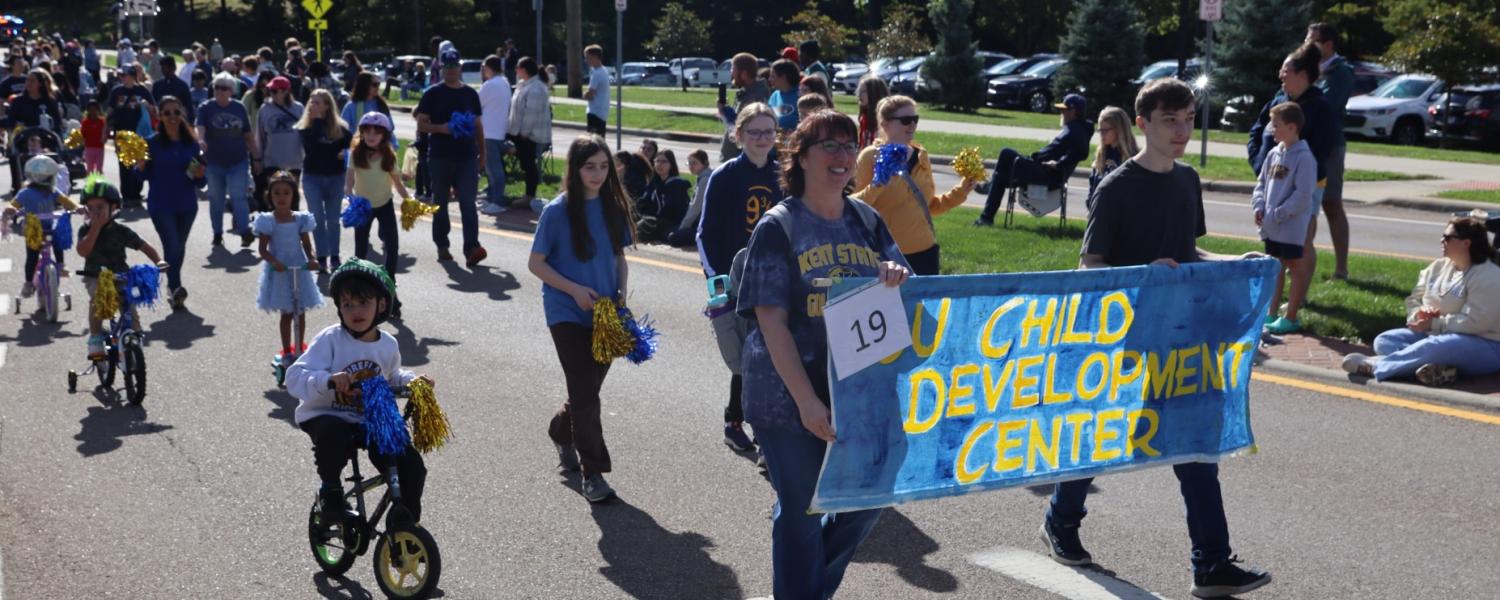
2025 Badar Kaufman Conference

The goal of the Badar-Kauffman Conference is to provide a highly interactive learning experience that is useful to both presenters and audience members alike. All participants in the Badar-Kauffman Conference have the shared goal of advancing the rigor and utility of scientific research, logical thinking, and conceptual analysis in special education. Attendees are expected to engage with presenters in critical discussion on conceptual, methodological and practical issues in current research and analysis in special education. This conference is designed for students, faculty and professionals who are interested in learning from internationally renowned luminaries in special education and related fields.

Presenters are encouraged to submit work that is in-process as the major aim of Badar-Kauffman Conference is to improve research and special education through formative peer feedback and support.

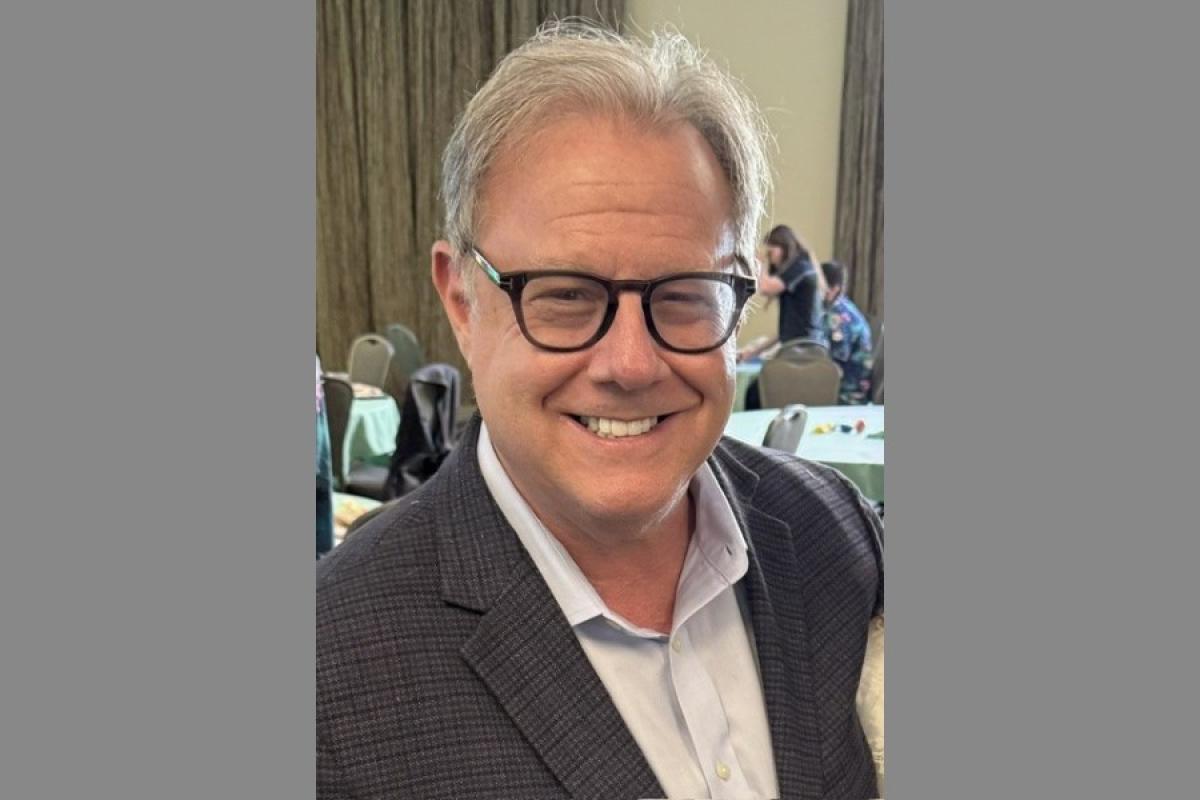
BKC 2026 Keynote Speaker: Dr. Nathan Jones

Nathan Jones

Nathan Jones, Ph.D., is an associate professor in the Special Education program at Boston University Wheelock College of Education & Human Development. He is affiliated faculty with the Wheelock Educational Policy Center (WEPC) and is a founding member of the BU Faculty of Computing & Data Sciences. He is currently serving as commissioner of the Institute of Education Sciences’ (IES) National Center for Special Education Research (NCSER). Dr. Jones focuses on the intersection of education policy and classroom teaching, particularly in special education. Much of this work has examined on the measurement of teachers’ work, including how to conceptualize and measure teaching effectiveness.


Badar Kauffman 2026 Program

Overview

Badar-Kauffman Conference on Special Education Research

Kent State Hotel and Conference Center

March 25-27, 2026

Purpose/Goals: The goal of the Badar-Kauffman Conference is to provide a highly interactive learning experience that is useful to presenters and audience members alike. All participants have the shared goal of advancing the rigor and utility of scientific research, logical thinking, and conceptual analysis in special education. Attendees are expected to engage with presenters in critical discussion on conceptual, methodological, and practical issues.

Session Formats: All sessions are intended to be highly interactive. Presentations will occur in the following formats throughout the conference:

Oral presentations – Presentations by individuals or groups on a central study or group of studies on a closely related topic. All oral presentations must reserve 30 minutes for questions/comments from attendees. Each oral presentation will be assigned a moderator to elicit questions, provide commentary, monitor time, and keep the discussion focused on the session topic.

Poster Session - Poster sessions are highly interactive presentations of work from experienced and emerging scholars. Interactions between the presenters and the audiences during the poster session will provide information to support presenters’ study and future submissions to peer-review journals

Networking sessions – Networking sessions are designed to help early career researchers build their network of professional contacts, collaborators, and friends. We encourage all attendees to participate.

Panel discussion – A select group of scholars will reflect on the content of presentations, summarize important take-aways, and discuss ways in which the work presented may impact special education research in the future.

Participation: All presenters are expected to manage time appropriately and reserve ample time for discussion. Audience members are encouraged to engage presenters in collegial, good natured, and professionally useful critique. Moderators have been assigned to each session to facilitate discussion and ensure a productive experience for all. Attendees are expected to participate in sessions throughout the entirety of the conference. Please be respectful of each presenter by arriving prior to the start time and staying until the presentation is complete.

Early Career Scholar Award - Requirements and Eligibility

The Early Career Scholar Award (ECSA) is awarded annually to the most outstanding poster presentation led by a doctoral student researcher. The poster must present research in which data were collected and analyzed (meta-analyses, research syntheses, and secondary data analyses are eligible). Eligible recipients must be the first author listed on the poster. Posters will be evaluated through online submissions. Poster files must be uploaded for evaluation by 8:00am on Monday, the week of the conference. Evaluation of oral presentations occurs during the poster session.

ECSA recipients receive (a) a framed award presented at the closing session, (b) are invited to present a featured oral session for the next BKC, (c) waived registration for the next BKC, and (d) 3 nights hotel stay during the next BKC.

Past winners of the ECSA are ineligible for ECSA in future years.

The Early Career Scholar Award winner receives a framed award presented at the closing session, an invited oral session at the next BKC, waived registration, and 3 nights hotel stay during the conference for the following year.

Additional Conference Rules and Information

Revised role for moderators and time - Moderators play a critical role in ensuring discussion and interaction between presenters and participants. Presenters have 30-35 minutes to present their research. Presenters must then turn over the remaining time and the microphone to the moderator. The moderator serves in a role similar to an associate editor for a manuscript review. Moderators are tasked with providing brief feedback (affirmations and suggestions for improvement), soliciting questions from the audience (reviewers), and facilitating discussion. Moderators are not responsible for keeping time. A separate individual will be assigned to keep time in each session.

Oral presentation eligibility - Doctoral students may present oral sessions if accompanied by a supervising faculty member. Doctoral students may be in any author position. 

Schedule At-a-Glance

Wednesday, March 25, 2026

TimeActivity
1:00pm Registration Opens – Main Hall
3:00pm Early Career Networking Session – Nineteen Ten
5:00pm Welcome & Keynote Presentation – Pizzuti Grand Ballroom
7:00pmPoster Session and Reception

Thursday, March 26, 2026

TimeSession locationSession locationSession location
9:00amSession A - DixSession B - KentSession C - McGilvery
10:10amSession D - DixSession E - KentSession F - McGilvery
11:20 amSession G - DixSession H - KentSession I - McGilvery
12:20Lunch (on your own)
2:30pmSession J - DixSession K - KentSession L - McGilvery
3:40pmSession M - DixSession N - KentSession O - McGilvery
4:50pmSession P - DixSession Q - KentSession R- McGilvery

5 p.m. Dinner (on your own)

8 p.m. PowerPoint Karaoke - Bell Tower Brewing Co.

Concurrent Presentations

8:00amSession S - DixSession T - KentSession U - McGilvery
9:15amSession V - DixSession W - KentSession X - McGilvery

10:15 Break and Transition Time

10:30amClosing Panel Session
12:00amBusiness Meeting & Wrap-up


Conference Agenda

Wednesday, March 25, 2026

TimeSessionLocation
1:00pmRegistration OpensMain Hall
3:00pm*Early Career Networking SessionNineteen Ten (Lobby Bar)
4:30pmPoster Session Set-up (see poster table assignments below)Main Hall, Back Hall, & Erie Street Room
5:00pm

Welcome & Keynote Presentation:

Where Special Education and Policy Research Meet: Insights from School Staffing Studies

Nathan Jones, Ph.D.

Associate Professor, Boston University

Commissioner, National Center for Special Education Research

Pizzuti Grand Ballroom
7:00pmPoster Session and ReceptionMain Hall, Back Hall, & Erie Street Room

Notes: *Everyone is encouraged to attend.

Thursday, March 26, 2026 - Morning

TimeTitleLocation
8:00amContinental BreakfastMain Hall
 Concurrent SessionsPresentersModeratorLocation
9:00amEfficacy of Training Staff Using Behavioral Intervention Plans for individuals with intellectual disabilitiesHashemi HodaTerry ScottDix
 Math Fact Fluency Item Response Time in Intervention Progress Monitoring

Garret Hall

David Parker

Corey PeltierKent
 Reviewing "Critical Special Education” Proposal: Evidence, Instruction, and Teacher Preparation

Dimitris

Anastasiou

Andrew Wiley

Dan HallahanMcGilivery
10:00amBreak
10:10amPreliminary Findings of Project Coach-AID: A Mixed-Methods Decision-Making Study for Autism EBPs

Sarah Quinn

Maria Hugh

Andrew WileyDix
 What and How: Developing a Writing Instruction Measure for Research and Practice

Katherine Valentine

Pamella Moura

Alyson CollinsKent
 Principals at the Crossroads: Conceptualizing Social Justice Leadership in Inclusive Schools

Prince Oduro

Asma Khan

Dimitris AnastasiouMcGilvery

11 A.M. Break

TimeConcurrent SessionsPresentersModeratorLocation
11:20amTele-TAPP in Appalachia: Improving Rural Student Behavioral Outcomes

Pamela Mims

Amanda Witte

HyeonJin Yoon

Kimberly Hale

Susan Sheridan

Keith SmolkowskiDix
 Comparing Frequentist and Bayesian Meta-Analysis in Special Education

Kyle Wagner

Garret Hall

Jeffery SheroKent
 Fostering Agency and Advocacy: A Self-Determination Training Module for EC Teacher Candidates

Courtney Cruz

Abby Ambrose

Jennifer ArthurMcGilvery

12:20 Lunch (on your own)

Thursday, March 26, 2026 - Afternoon

TimeTitlePresentersModeratorLocation
2:30pmGuidance or Gaps? A State-by-State Analysis of U.S. Bullying LawsKatherine GravesAndrew WileyDix
2:30pmFrom Evidence-Based Practice to AI Innovation: The Autism Interventions Shaping the FutureSarah HurwitzStephanie SnidarichKent
2:30pmMentoring New Ohio Teachers - Year 4Jennifer WebbRob SchoenMcGilvery
3:30pmBreak
3:40pmTesting Effort and Anxiety When Students Are/Not Subject to a Retention PolicyDeborah ReedCherish SarmientoDix
3:40pmThe Methods Must Match the Moment

Jenny Root

Bree Jimenez

Deidre Gilley

Megan RojoKent
3:40pmExamining the Relationship Between Teacher Instructional Practices and Student Misbehavior

Terry Scott

Todd Whitney

Paige PullenMcGilvery

4:40 Break

4:50pmSpecial Education Teacher Voices Through Turbulence: Lessons on Resilience and RetentionKarin FisherVince ConnellyDix
4:50pmFrom Assessment to Inclusion: Policy Impacts on Student PlacementSarah HudlerNate StevensonKent
4:50pmAchieving the Scientific Reconstruction of Special Education by Reforming Professional Preparation

Andrew Wiley

Dimitris Anastasiou

Peggy WeissMcGilvery

5:50 p.m. Dinner (on your own)

8 p.m. Power Point Karaoke (No singing involved)


Friday, March 27, 2026

7:00am, Continental Breakfast, Back hallway

timeTitlePresentersModeratorLocation
8:00amExamining the Substantive Quality of IEPs for Deaf and Hard of Hearing Students

Marwh Allhibiy

Andrew Wiley

Garret HallDix
 Supporting Literacy in STEM Learning: A Narrative ReviewStephanie SnidarichCorey PeltierKent
 How can we evaluate instruction in co-taught classrooms? A research discussion

Margaret (Peggy) Weiss

Nora McKenney

Nate StevensonMcGilvery

9 a.m. Break

TimeTITLEPRESENTERSMODERATORSLOCATION
9:15amAutistic Students’ IEP Team Case Studies: Developing Feasible Recruitment & Qualitative Methods

Maria Hugh

Meghan Davidson

Bree JimenezDix
9:15 AMFlowcharts: A Tool for Teaching Spelling to 3rd Grade Students with and At-Risk for DisabilitiesMarcella GallmeyerMarissa FildermanKent
9:15 AMUnderstanding how school-based professionals support immigrant autistic students and families.

Kristie Asaro-Saddler

Narmene Hamsho

Stephanie SnidarichMcGilvery
10:15am

Break & Transition Time

NOT APPLICABLE
10:30am

Closing Panel Session - Pizzuti Grand Ballroom

Why can’t we all get along? Current issues in the science of math education

Panel members: Jenny Root, Rob Schoen, Nate Jones, Corey Peltier, Garret Hall

Pizzuti Ballroom

12:00pm    Business Meeting & Wrap-up (all should attend) 

Poster Session: Wednesday March 25, 2026 -  7pm

Poster 1: The Efficacy of a Fraction Sense Intervention for Students with Disabilities 
Sarah Cox, Michigan State University

Poster 2: Participation of K-12 Students with Disabilities in Extracurricular Activities: Parent and Guardian Perceptions
Gretchen Jessel, Kent State University

Poster 3: “Hands-On” Reading: Book Features and Gestures in Preschoolers’ Cardinality Development
    Kelly-Ann Gesuelli, University of Florida
    Julianna Hakel, University of Notre Dame

Poster 4: Increasing Grapheme-Phoneme Correspondence using Strategic Incremental Rehearsal
Christy Conway, The Ohio State University
Moira Conrad, The Ohio State University

Poster 5: Integrating Literacy Through Morphology: Mapping Instructional Pathways in Secondary Classrooms
Jamie Smith Levitan, University of Maryland

Poster 6: Spelling and Writing Interventions That Make a Difference: A Systematic Review 
Marcella Gallmeyer, The Ohio State University

Poster 7: Opportunities for Teacher Knowledge About Writing Development
Zachary Hesse, Michigan State University
Katie Valentine, Florida State University

Poster 8: Teacher Professional Development in Science Writing using Self-Regulated Strategy Development (SRSD)
Rachel Korankye, Kent State University

Poser 9: What Works for Training Paraeducators: A Systematic Review
Sara Martin, The Ohio State University

Poster 10: Sink or Stay: What First-Year Special Educators Really Need
    Sylvie Cierny McDonald, The University of Alabama
    Marissa Filderman, The University of Alabama

Poster 11: Preparing Teachers for Student Mental Health: Policy and Practice Gaps 
Halie Welsh, East Texas A&M University
Kendra Saunders, East Texas A&M University

Poster 12: Executive Function Intervention in Schools: Connecting Practice and Theory
Kathy Harvey, Florida State University
Garrett Hall, Florida State University

Poster 13: Social Withdrawal and Social Isolation in Adolescents with and at risk for EBD 
Oktaviani Hidayah, Kent State University

Poster 14: Emotional Intelligence in SEL: Advancing Inclusive Practice in Teacher Preparation
           Naglaa Mohamed, The University of Akron

Poster 15: Pre-Service Teacher Preparation In Universal Design For Learning Across Contexts
Alexander Gariba, Kent State University

Poster 16: A Statewide Examination of Preservice Training for Transition Planning and Programming 
Dylan David, Kent State University

  Poster 17: Evaluation of School Readiness for Participation in Reading Research in Kyrgyzstan
           Mukadas Tashieva, American University of Central Asia

  Poster 18: Bridging Perception and Proficiency: IRIS Impact on IEP Goal Writing
             Jacqueline Little, University of North Carolina at Charlotte

Conference Executive CommitteeAdvisory Committee
Nate Stevenson (chair)Jeanmarie Badar
Ching-I ChenBryan Cook
Garrett HallChris Lemons
Stephanie SnidarichNaomi Zigmond
Andrew Wiley 


Hotel accommodations

Guests booking through the hotel link or by phone can use the GROUP code: BKC26.

Below is a list of registration rates:

Faculty- Early Bird (now-12/15/25) - $300 
Faculty-Regular (12/15/25-2/1/26) - $350
Faculty-Late (2/1/26-3/270-26) - $400

Grad Student and Post-doc Early Bird (now-12/15/25)- $175
Grad Student and Post-doc Regular (12/15/25-2/1/26)- $225
Grad Student and Post-doc Late (2/1/26-3/270-26) - $300

Conference registration

HOTEL RESERVATIONS

Make a donation

Have questions or concerns?
Contact Dr. Nathan Stevenson at nsteve15@kent.edu or 330-672-0607.